The Emotional Cost of Day Trading
Day trading involves buying and selling financial instruments within the same day, requiring quick decision-making and risk management. The emotional turmoil associated with rapid trading can significantly impact traders' decisions, leading to both financial gains and losses.
- ReadDay trading · Wikipedia
Defines day trading as a speculative practice where traders buy and sell securities within the same day to avoid overnight risks. It requires fast execution and specialized software to manage the rapid pace of trading.
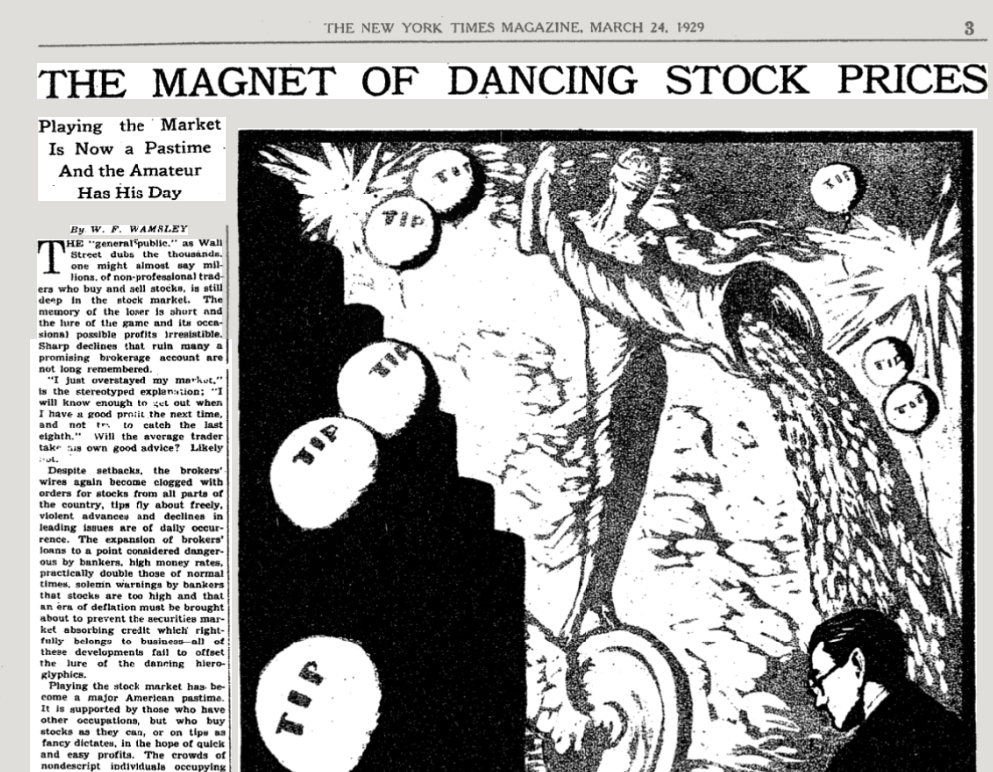
- ReadJesse Livermore & The Magnet of Dancing Stock Prices - A Wealth of Common Sense · A Wealth of Common Sense
Analyzes the stock market frenzy of 1929, illustrating how uninformed traders often profited despite their lack of knowledge. This period saw a significant increase in trading activity, with brokers overwhelmed by orders from across the country.
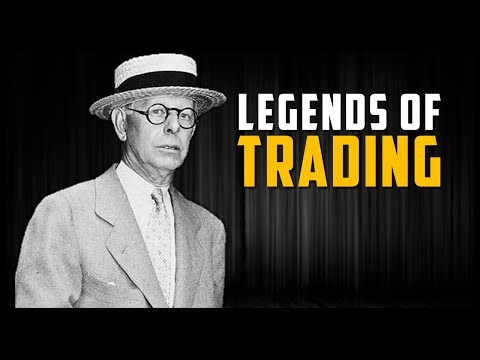
- WatchLEGENDS OF TRADING: THE STORY OF JESSE LIVERMORE · YouTube
Chronicles Jesse Livermore's rise and fall in the trading world, detailing his strategies and the emotional toll of trading. Livermore's career serves as a cautionary tale of both remarkable success and devastating failure in the stock market.
- BookReminiscences of a Stock Operator · Bookshop.org
Narrates Livermore's journey from day trading in bucket shops to becoming a Wall Street legend, sharing valuable lessons learned along the way. The book emphasizes the psychological aspects of trading, highlighting the importance of discipline and emotional control.
The selected pieces collectively illustrate the emotional and psychological challenges faced by day traders, tracing the historical context through Jesse Livermore's experiences. Starting with a definition of day trading, the curation progresses through Livermore's tumultuous career, highlighting the emotional highs and lows that define the trading landscape. Each piece builds on the last, culminating in a classic book that encapsulates these lessons and experiences.
Book links are Bookshop.org affiliate links. Curiate may earn a commission on purchases, at no extra cost to you — Bookshop.org also gives a share to independent bookshops.
Reading paths, built to arrive somewhere
Curiate turns what you are curious about into a short path — an entry point, something to watch, and a book worth finishing. Free to browse.