Cultural Narratives in Film Theory
Film theory examines the cultural and ideological narratives embedded within cinema, revealing how films reflect and shape societal values. By analyzing various cinematic elements, it uncovers the underlying messages that inform viewers' perceptions of reality. This exploration of film serves as a mirror to the evolving dynamics of gender, class, and power in society.
- ReadFilm theory · Wikipedia
Defines film theory as a scholarly approach to understanding cinema's relationship with reality, art, and society, originating in the 1920s.
- ReadThe Rise of Hollywood's "Extra Girls" - JSTOR Daily · JSTOR Daily
Argues that Hollywood's 'extra girls' were exploited laborers, masking the industry's labor practices while reflecting societal ambivalence about women's roles during the silent film era.
- WatchDocumentary - Women representation in films throughout the history · YouTube
Contrasts Marxism and Feminism in cinema, examining their representations in American, Soviet, French, and Iranian films through a documentary format.
- BookFilm Theory: An Introduction · Bookshop.org
Provides an engaging overview of key film theories, detailing their evolution and cultural implications for understanding film analysis.

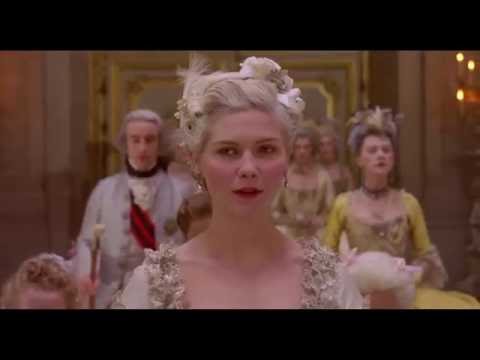
The selected pieces collectively illustrate the intricate relationship between film theory and societal narratives. Starting with a foundational overview of film theory, the curation progresses through historical examples of women's representation in Hollywood, culminating in a comprehensive introduction to key film theories. Each piece builds upon the last, guiding the reader through a nuanced understanding of how film not only entertains but also critiques and reflects societal norms.
Book links are Bookshop.org affiliate links. Curiate may earn a commission on purchases, at no extra cost to you — Bookshop.org also gives a share to independent bookshops.
Reading paths, built to arrive somewhere
Curiate turns what you are curious about into a short path — an entry point, something to watch, and the key book on the topic. Free to browse.