Guilt and Trauma in Post-Colonial Identities
Colonialism has left deep scars on societies, shaping identities through the complex interplay of guilt and trauma. Personal guilt often mirrors the broader societal trauma inflicted by colonial powers, creating a legacy that continues to influence contemporary identities. Understanding this dynamic is crucial for reconciling the past and fostering healing in post-colonial contexts. The exploration of guilt in post-colonial identities reveals the ongoing struggle for justice and recognition.
- ReadAnalysis of European colonialism and colonization · Wikipedia
Traces the historical policies of Western European colonialism and its impact on societies, revealing how colonial practices led to the exploitation and extermination of native populations. It notes that Britain and France defined nearly 50% of today's international boundaries through their imperial pursuits.
- ReadTruth and Reconciliation Commission (South Africa) · Wikipedia
Documents the establishment of the Truth and Reconciliation Commission in South Africa in 1996, which aimed to address gross human rights violations from the apartheid era. The commission allowed victims to share their experiences and offered perpetrators a chance for amnesty in exchange for full disclosure.
- WatchTruth Justice Memory: South Africa's Truth and Reconciliation Process [Introduction] · YouTube
Presents an educational initiative centered on the TRC, designed to engage learners with the stories of suffering and sacrifice from ordinary South Africans. The course includes twelve DVD clips and a comprehensive teacher's guide to facilitate discussions on reconciliation.
- BookDisgrace · Bookshop.org
Examines the life of David Lurie, a disgraced professor in post-apartheid South Africa, whose personal failings reflect broader societal issues of guilt and redemption. Coetzee's narrative critiques the complexities of moral responsibility in a nation grappling with its colonial past.
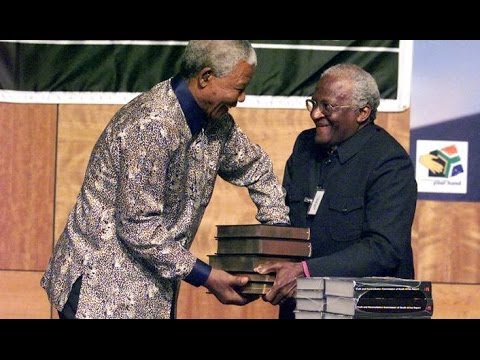

These pieces collectively illustrate the multifaceted impact of colonialism on individual and societal levels. Starting with a foundational analysis of European colonialism, the curation transitions into the restorative efforts of South Africa's Truth and Reconciliation Commission, highlighting the importance of acknowledging past injustices. The visual resource emphasizes the personal narratives that emerged from the TRC, while Coetzee's novel serves as a poignant literary exploration of guilt and disgrace in a post-colonial context. Together, they create a comprehensive understanding of how guilt shapes identities in the aftermath of colonialism.
Book links are Bookshop.org affiliate links. Curiate may earn a commission on purchases, at no extra cost to you — Bookshop.org also gives a share to independent bookshops.
Reading paths, built to arrive somewhere
Curiate turns what you are curious about into a short path — an entry point, something to watch, and a book worth finishing. Free to browse.