Human Impact on the Galápagos Ecosystem
The Galápagos Islands, renowned for their unique biodiversity, face significant challenges due to human intervention. While conservation efforts have aimed to restore the ecosystem, these well-intentioned actions often come with unforeseen consequences. The islands' delicate balance is a testament to the complexities of conservation and the ethical dilemmas it entails. Understanding these dynamics is crucial for future efforts to protect this iconic archipelago.
- ReadGalápagos Islands · Wikipedia
Describes the Galápagos Islands as an archipelago known for its endemic species and historical significance in the study of evolution. The islands are part of Ecuador's Galápagos National Park and Marine Reserve, protecting their unique ecosystems.
- ReadSmall, Secretive Gecko Rediscovered in the Galápagos After Scientists Eliminate Invasive Rats · Smithsonian Magazine
Reports the rediscovery of leaf-toed geckos on Rábida Island, previously thought extinct, thanks to efforts to eliminate invasive rat populations. Researchers conducted expeditions in 2019 and 2021 that revealed several of these lizards were alive and thriving.
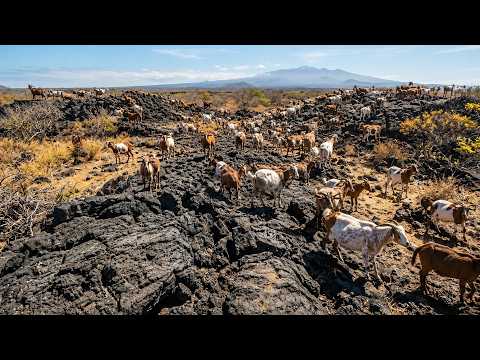
- Watch140,000+ Goats Were Eradicated from the Galápagos Islands: The Aftermath 19 Years Later · YouTube
Details the eradication of over 140,000 goats from the Galápagos Islands, a drastic measure taken to protect native species like giant tortoises. Nineteen years later, the islands show signs of ecological recovery, but the reintroduction of goats raises ethical questions about conservation methods.
- BookThe Galápagos: A Natural History · Bookshop.org
Charts the natural and human history of the Galápagos Islands, emphasizing their evolution from untouched wilderness to a key site for scientific research and ecotourism. Nicholls highlights the ongoing challenges the islands face and reflects on humanity's complex relationship with nature.
/https://tf-cmsv2-smithsonianmag-media.s3.amazonaws.com/filer_public/db/be/dbbe5d97-d3c8-44b3-8298-d1fa822ec3d5/rabida_gecko_credit_rory_stansbury_islandconservation.jpg)

Each piece in this curation builds a comprehensive narrative about the Galápagos Islands and the impact of human actions on their ecosystem. Starting with a foundational overview of the islands, the curation progresses through specific conservation efforts and their outcomes, culminating in a broader reflection on the interplay between human intervention and natural balance. This sequence allows readers to grasp not only the historical context but also the ongoing debates surrounding conservation ethics. The final piece serves as a deeper exploration of the islands' natural and human history, tying together the themes presented in earlier entries.
Book links are Bookshop.org affiliate links. Curiate may earn a commission on purchases, at no extra cost to you — Bookshop.org also gives a share to independent bookshops.
Reading paths, built to arrive somewhere
Curiate turns what you are curious about into a short path — an entry point, something to watch, and a book worth finishing. Free to browse.