The Cost of Individualism in Architecture
The pursuit of individual vision in architecture can lead to both innovation and isolation. As architects strive to express their unique identities, the implications for collaboration, community, and societal needs often become secondary. This tension raises questions about the balance between personal expression and architectural success. Understanding this dynamic is crucial for navigating the future of architectural practice.
- ReadHistory of architecture · Wikipedia
Traces the evolution of architectural styles and practices across cultures and time periods, highlighting the fundamental human need for shelter. Key influences include urbanism, civil engineering, and the broader definition of architecture beyond mere buildings.
- ReadThe Right to Be Naive: How Architecture Turned Innocence into a Position · Arch Daily
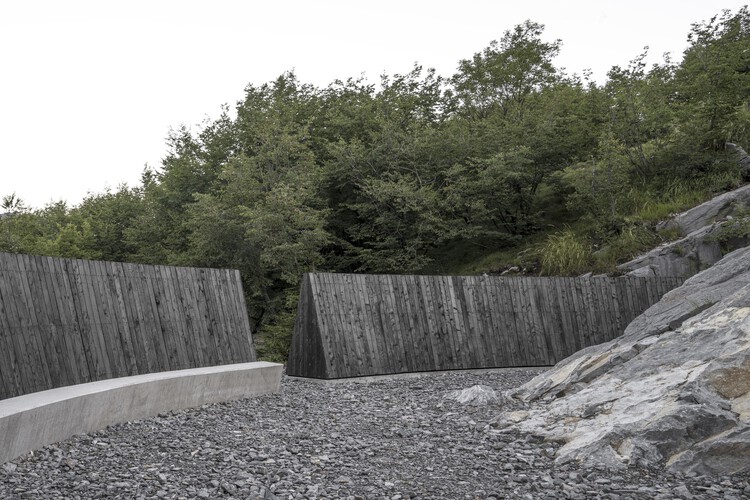
Argues that post-2008 architectural practices have embraced a posture of innocence, rejecting the overconfidence that characterized the previous decade. This shift reflects a collective desire for humility and authenticity in a field often driven by certainty.
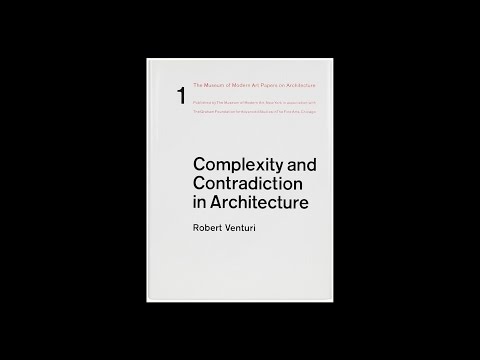
- WatchComplexity and Contradiction in Architecture: Architects' Roundtable | MoMA LIVE · YouTube
Shows the enduring impact of Robert Venturi's seminal work, emphasizing the value of complexity and contradiction in architecture. The symposium celebrates the book's 50th anniversary and features discussions among prominent architects and scholars.
- BookThe Fountainhead · Bookshop.org
Presents the story of Howard Roark, an architect whose unwavering commitment to his individual vision leads to conflict with societal norms. Rand's narrative posits that the ego is essential for human progress, framing individualism as both a creative force and a source of societal friction.

Each piece in this curation examines a different facet of individualism in architecture, from historical context to contemporary practice. The journey begins with an overview of architectural evolution, highlighting the foundational role of shelter. It then moves through modern responses to individualism post-2008, the significance of complexity in design, and culminates in a literary exploration of the architect's ego in Ayn Rand's 'The Fountainhead.' Together, these works illustrate the multifaceted impact of individualism on architectural success.
Book links are Bookshop.org affiliate links. Curiate may earn a commission on purchases, at no extra cost to you — Bookshop.org also gives a share to independent bookshops.
Reading paths, built to arrive somewhere
Curiate turns what you are curious about into a short path — an entry point, something to watch, and the key book on the topic. Free to browse.