Sisterhood as a Means of Overcoming Oppression
Sisterhood serves as a crucial support system for women facing oppression, providing solidarity and resilience. In literature and film, this theme is powerfully illustrated through the experiences of women who uplift each other in the face of adversity. The journey through these narratives reveals the vital role of female relationships in overcoming societal challenges.
- ReadSisterhood (feminism) · Wikipedia
Defines sisterhood in feminism as a bond of solidarity and mutual support among women, evolving through various feminist movements and critiques over time.
- ReadThe Color Purple (1985 film) · Wikipedia
Describes the 1985 film adaptation of Alice Walker's novel, highlighting the journey of Celie, a Southern Black woman, as she seeks self-respect and love amid abuse and societal bias.
- WatchThe Color Purple (1985) | Sister Song | Warner Bros. Entertainment · YouTube
Presents a visual summary of 'The Color Purple', emphasizing its themes of life, love, and the struggles of Celie as she navigates a harsh reality from 1909 to 1949.
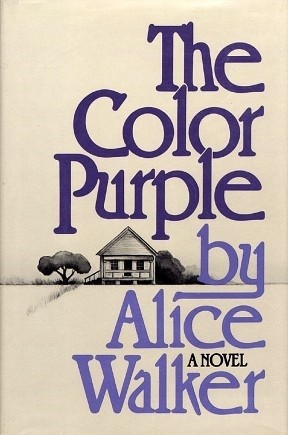
- BookThe Color Purple · Bookshop.org
Chronicles Celie's traumatic childhood, including abuse from her father and the loss of her sister Nettie, leading to her forced marriage and the quest for personal agency and connection.

The selected pieces collectively illustrate the theme of sisterhood as a means of survival and empowerment. Starting with a foundational definition of feminist sisterhood, the curation transitions into a cinematic representation of these themes in 'The Color Purple'. The visual and narrative elements reinforce the emotional depth of the characters' struggles and triumphs, culminating in Alice Walker's poignant exploration of resilience and love among women.
Book links are Bookshop.org affiliate links. Curiate may earn a commission on purchases, at no extra cost to you — Bookshop.org also gives a share to independent bookshops.
Reading paths, built to arrive somewhere
Curiate turns what you are curious about into a short path — an entry point, something to watch, and the key book on the topic. Free to browse.