How existentialism in post-war Paris finds meaning amid absurdity
Existentialism in post-war Paris is a family of philosophical views exploring the human individual's struggle to lead an authentic life despite the apparent absurdity or incomprehensibility of existence. The word existentialism was not coined until the mid 20th century, when it became most associated with contemporaneous philosophers including Jean-Paul Sartre and Simone de Beauvoir.
3 articles, 1 book · about 2 hr 58 min of reading and viewing
The reading path
- Read"Existentialism" · plato.stanford.edu · 60+ min read
Existentialism generally begins amidst situated, first-person experience rather than theoretical detachment and objectivity. It examines how people engage with the world in everyday life and struggle to make sense of and give meaning to their existence.
- Readexistentialism in post-war paris · Wikipedia · 51 min read
In Sartre's 1944 existentialist play No Exit, three people realize they are there to torture each other by probing each other's sins, desires, and unpleasant memories. Stanley Kubrick's 1957 anti-war film Paths of Glory examines existentialism through the "necessary absurdity of the human condition" and the "horror of war". It also examines existentialist ethics, including whether objectivity is possible and the "problem of authenticity".
- Read"Existentialism" · iep.utm.edu · 60+ min read
An outline of existentialism's themes and philosophers, with context on anxiety, freedom, situatedness, absurdity and the crowd in post-war Paris.
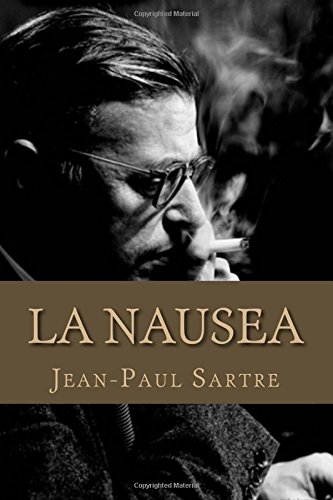
- BookNausea · Bookshop.org
Nausea by Jean-Paul Sartre tells the story of Antoine Roquentin, a French writer horrified at his own existence, and describes how he catalogues his feelings and sensations in diary form. Roquentin's efforts to come to terms with his life dramatize Sartre's Existentialist creed.
Book links are Bookshop.org affiliate links. Curiate may earn a commission on purchases, at no extra cost to you — Bookshop.org also gives a share to independent bookshops.
Reading paths, built to arrive somewhere
Curiate turns what you are curious about into a short path — a quick lesson on an article, something to watch, and a book to go deep on. Free to browse.