The art scene in 1920s Paris and modernity
The art scene in 1920s Paris was part of the Années folles, the decade of the 1920s in France, a term coined to describe the period's social, artistic, and cultural collaborations.
2 articles, 1 video, 1 book · about 34 min of reading and viewing
The reading path
- Readthe art scene in 1920s paris · Wikipedia · 20 min read
In 1920s Paris, a loose group of mainly immigrant artists emerged, termed "the School of Paris" by Andre Warnod in 1925 while writing for Comœdia. The artists tended to cloister around cafes, salons and other establishments in the Montparnasse quarter. In 1920s Paris, Art Deco was named after the 1925 Paris exposition called Exposition internationale des Arts décoratifs et industriels modernes. The exposition attracted over sixteen million visitors and showcased a design ethos that celebrated modernity, ornamentation, and luxurious materials, according to the MoMa.
- Read"Paris, the Birthplace of Art Deco" · minorsights.com · 5 min read
Art Deco's classical roots meant it was seen as delivering grandeur, making it fit for large public buildings and public spaces. In 1920s Paris, a wave of theaters showed this link between classical tradition and modern design.
- WatchArt Deco in 9 Minutes: Why Is It The Most Popular Architectural Style? 🗽 · YouTube · 9 min watch
Art Deco was a decorative arts and architecture movement that arose in the prosperous, high-spending and entertaining 1920s. It is known for lavish decoration and rich materials.
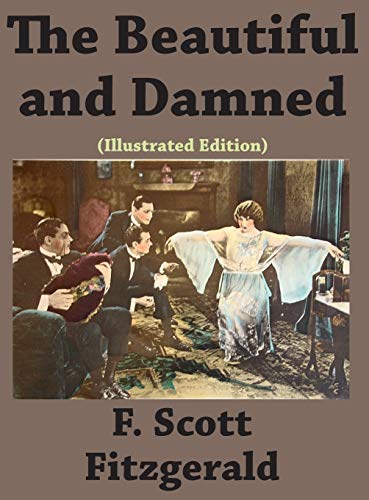
- BookThe Beautiful and Damned · Bookshop.org
The Beautiful and the Damned by F. Scott Fitzgerald tells of Anthony Patch and Gloria's reckless marriage, then describes nouveau riche life, New York nightlife, and wild ambition.


Book links are Bookshop.org affiliate links. Curiate may earn a commission on purchases, at no extra cost to you — Bookshop.org also gives a share to independent bookshops.
Reading paths, built to arrive somewhere
Curiate turns what you are curious about into a short path — a quick lesson on an article, something to watch, and a book to go deep on. Free to browse.