How feelings shape motivation and emotion
Motivation and emotion is an internal state that propels people to act toward goals. The lessons answer how feelings shape goal directed effort and help readers understand how emotions influence the goals people pursue. They connect emotional states, learned associations, and competing time horizons to the ways motivation unfolds.
3 articles, 1 video, 1 book · about 1 hr 6 min of reading and viewing
The reading path
- Readmotivation and emotion · Wikipedia · 54 min read
In motivation and emotion, emotional states affect how goals are set and which goals are prioritized. Positive emotions are associated with optimism about the value of a goal and create a tendency to seek positive outcomes. The dopamine system helps motivation by learning which positive and negative outcomes are linked to a behavior and how environmental cues relate to goals. These associations can make motivation arise automatically when the cues are present. Low motivation can decrease workplace productivity through complacency, disinterest, and absenteeism; according to a 2024 Gallup report, low engagement cost 8.9 trillion dollars in global GDP.
- Read"How to Increase Self-Motivation" · psychologytoday.com · 4 min read
Motivation is usually high initially and toward the end, but not in the middle. To sustain goal-directed effort, keep the middles very short, for example, set weekly goals instead of monthly goals.
- ReadCan't Get Started on a Daunting Task? This Brain Circuit That Slams the Brakes on Motivation Might Be to Blame · Smithsonian Magazine · 2 min read
Suppressing a brain circuit in two macaques with a targeted genetic technique made them more willing to start a task involving an unpleasant air puff, suggesting that feelings about unpleasant experiences might shape goal-directed effort. Their ability to judge rewards against punishments did not change.
- WatchSocietal Expectations and Inner Desires: The Complex Dynamics of Motivation · YouTube · 6 min watch
Extrinsic motivation drives thinking and behavior from outside, through rewards such as money or fame. Intrinsic motivation comes from within, as natural curiosity.
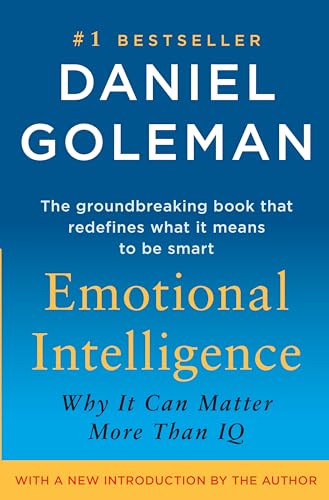
- BookEmotional Intelligence: Why It Can Matter More Than IQ · Bookshop.org
Emotional Intelligence by Daniel Goleman describes a new way to talk about being smart and argues that emotional literacy is not fixed early in life.


Book links are Bookshop.org affiliate links. Curiate may earn a commission on purchases, at no extra cost to you — Bookshop.org also gives a share to independent bookshops.
Reading paths, built to arrive somewhere
Curiate turns what you are curious about into a short path — a quick lesson on an article, something to watch, and a book to go deep on. Free to browse.