When rewards help or undermine psychological theories of motivation
Psychological theories of motivation are ways of explaining what internal factors motivate people and how thinking, emotions, and decisions shape motivation. What determines whether rewards strengthen motivation or undermine it, and how can we understand their effects? The lessons consider how expected outcomes and external rewards can support or conflict with a person's own motivation.
2 articles, 1 video, 1 book · about 1 hr 2 min of reading and viewing
The reading path
- Readpsychological theories of motivation · Wikipedia · 54 min read
A strong extrinsic motivation, like a high monetary reward, can decrease intrinsic motivation, and the individual may be less likely to further engage in the activity if it does not result in an external reward anymore. However, this is not always the case, and under the right circumstances, combined intrinsic and extrinsic motivation leads to higher performance. Extrinsic motivation in the form of rewards and recognition also plays a key role in the learning process, but it can conflict with intrinsic motivation in some cases and may then hinder creativity.
- ReadDo Incentives Modify Behavior? - JSTOR Daily · JSTOR Daily · 2 min read
A 2009 paper in Econometrica by economists Gary Charness and Uri Gneezy found marked attendance increases in two studies of financial incentives for exercise among college students, driven by people who did not previously attend the gym regularly. In the second study, health indicators improved, suggesting a net increase in total physical activity rather than substitution away from nonincentivized activity.
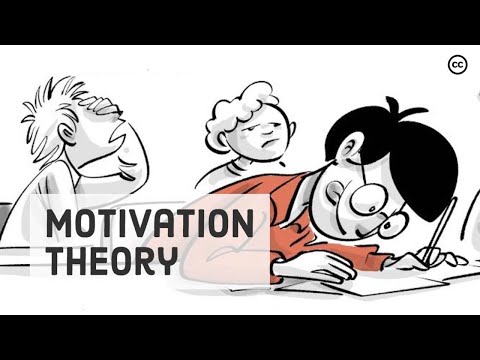
- WatchSelf-Determination Theory Explained · YouTube · 6 min watch
People are motivated to learn, grow and change when their needs for competence, connection and autonomy are satisfied. When those needs go unmet, people may feel amotivation or need extrinsic rewards to act.
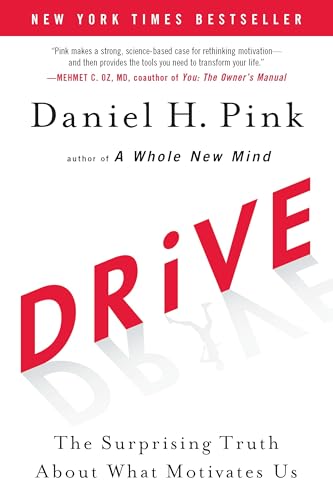
- BookDrive: The Surprising Truth About What Motivates Us · Bookshop.org
Drive by Daniel H. Pink argues that motivation can be understood through autonomy, mastery, and purpose: self-direction, getting better skilled, and doing meaningful work. Pink contrasts these with reward- and punishment-driven models.


Book links are Bookshop.org affiliate links. Curiate may earn a commission on purchases, at no extra cost to you — Bookshop.org also gives a share to independent bookshops.
Reading paths, built to arrive somewhere
Curiate turns what you are curious about into a short path — a quick lesson on an article, something to watch, and a book to go deep on. Free to browse.