How medical knowledge changes over time
The history of medicine studies medical practices over time and how human societies have approached health, illness, and injury, from prehistory to the modern day. These lessons answer how medical knowledge changes over time and help readers understand that change. They follow shifts in medical practice across different periods.
2 articles, 1 book · about 1 hr 48 min of reading and viewing
The reading path
- Readthe history of medicine · Wikipedia · 60+ min read
In the history of medicine, German physician Robert Koch traced the life cycle of Davaine's bacteridia, identified spores, inoculated laboratory animals with them, and reproduced anthrax, a breakthrough for experimental pathology and germ theory of disease. The Edwin Smith Papyrus, an ancient Egyptian medical text, is regarded as a copy of several earlier works and was written c. 1600 BCE. It is an ancient textbook on surgery almost completely devoid of magical thinking, detailing examination, diagnosis, treatment, and prognosis. Personalized medicine marks a 21st-century shift from generic practices that defined 20th century medicine to diagnosis and treatments based on individual characteristics. DNA sequencing, genetic mapping, gene therapy, imaging protocols, proteomics, stem cell therapy, and wireless health monitoring devices can help medical professionals fine-tune treatment to the individual.
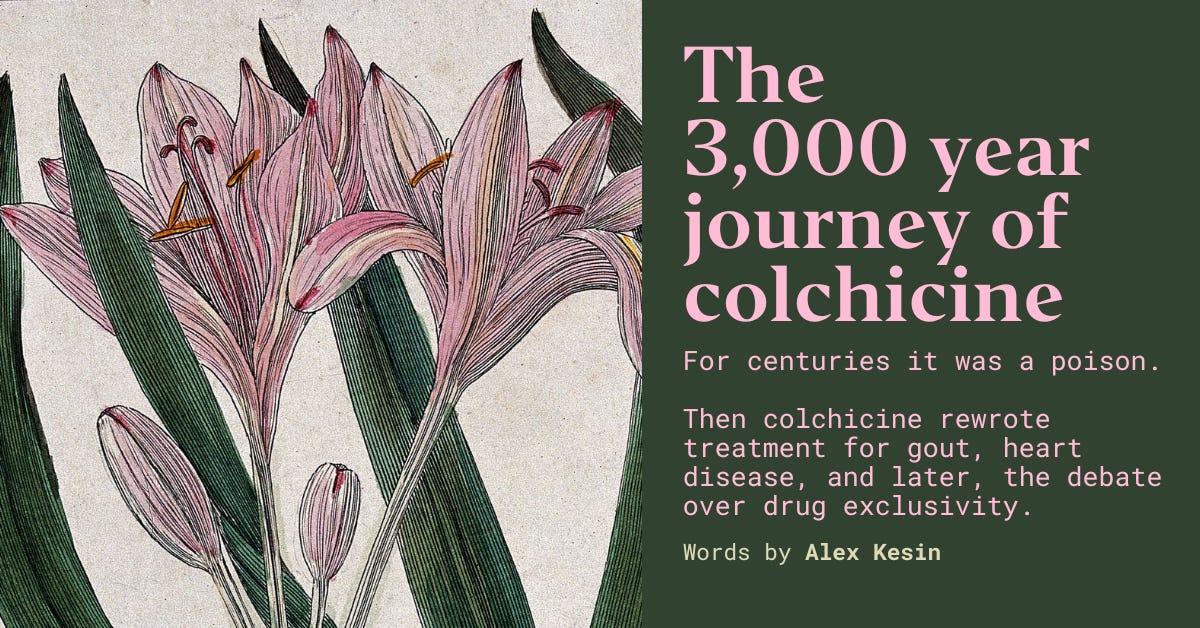
- ReadThe three-thousand-year journey of colchicine · Works in Progress · 8 min read
Colchicum was treated as poison in Western medicine for the next 1,500 years, until its reputation began to shift in the late eighteenth century when French army officer Nicolas Husson created a popular secret gout remedy called Eau Médicinale.
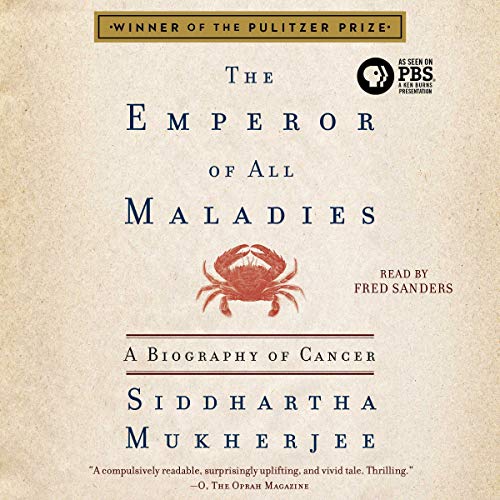
- BookThe Emperor of All Maladies: A Biography of Cancer · Bookshop.org
The Emperor of All Maladies by Siddhartha Mukherjee recounts cancer's history from its first documented appearances through centuries of discoveries, setbacks, victories, and deaths, describing human ingenuity and perseverance alongside hubris, paternalism, and misperception.

Book links are Bookshop.org affiliate links. Curiate may earn a commission on purchases, at no extra cost to you — Bookshop.org also gives a share to independent bookshops.
Reading paths, built to arrive somewhere
Curiate turns what you are curious about into a short path — a quick lesson on an article, something to watch, and a book to go deep on. Free to browse.