How traditional Chinese herbal medicine meets modern science
Herbal medicine is part of traditional Chinese medicine, an alternative practice drawn from traditional medicine in China, where health and healing included varied, sometimes competing practices such as herbal remedies. What can readers understand about the relationship between traditional medicine and modern science? The lessons consider how traditional practices meet scientific study, alongside questions of scope and safety.
2 articles, 1 book · about 2 hr 4 min of reading and viewing
The reading path
- Readthe role of herbal medicine in traditional chinese culture · Wikipedia · 60+ min read
Artemisia annua is a herb used by Chinese herbalists in traditional Chinese medicines for 2,000 years. In the 1970s, the antimalarial drug artemisinin was developed from a chemical compound isolated from the herb, which had been used traditionally to treat fever. Herbal medicine in traditional Chinese culture includes more than plants: traditional Chinese medicine also uses animal, human, fungi, and mineral products. Thus, "medicinal" may be used instead of "herb". Safety concerns in traditional Chinese herbal medicine include contamination by microorganisms and fungal toxins, including aflatoxin. Traditional herbal medicines can also contain extremely toxic chemicals, heavy metals, and naturally occurring toxins that can cause illness, worsen pre-existing poor health, or result in death.
- ReadInnovating Chinese Herbal Medicine: From Traditional Health Practice to Scientific Drug Discovery · frontiersin.org · 20 min read
Chinese herbal medicine is a traditional health practice rooted in Chinese philosophy and religion, with a belief in holism and balance in the body. It has changed toward scientific drug discovery, illustrated by the herb-derived drug artemisinin. Chinese herbal medicine (CHM), through the persistent efforts of several generations of scientists, impressed the world with an effective therapy for people suffering from malaria. The source says orthodox medicine became a scientific discipline supported by rigorous biomedical studies.
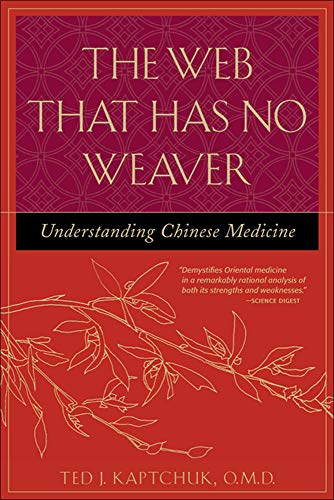
- BookThe Web That Has No Weaver: Understanding Chinese Medicine · Bookshop.org
The Web That Has No Weaver by Ted J. Kaptchuk explains Chinese medicine's theory, philosophy, diagnosis, and treatment. Kaptchuk describes how physicians read signs and symptoms as an individual pattern, with each sign gaining meaning through its relationship to the others.

Book links are Bookshop.org affiliate links. Curiate may earn a commission on purchases, at no extra cost to you — Bookshop.org also gives a share to independent bookshops.
Reading paths, built to arrive somewhere
Curiate turns what you are curious about into a short path — a quick lesson on an article, something to watch, and a book to go deep on. Free to browse.