How preventive medicine prevents epidemics
Preventive medicine, or prophylaxis, means using healthcare measures and anticipatory actions to prevent disease. What can public action do to prevent epidemics, and how can you understand the role of prevention in protecting communities? The lessons trace how coordinated health measures support preparedness and responses to shared threats.
2 articles, 1 book · about 1 hr 6 min of reading and viewing
The reading path
- Readpreventive medicine · Wikipedia · 58 min read
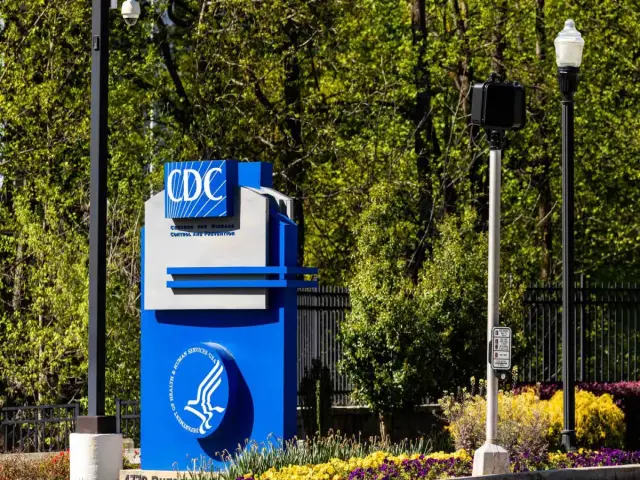
Preventive medicine uses water purification, sewage treatment and personal hygiene, such as regular hand-washing. Safe sex prevents sexually transmitted infections. These measures became mainstream after infectious disease agents were discovered, and they reduced communicable diseases that spread in unsanitary conditions. Child mortality is a concern for preventive medicine: in 2010, 7.6 million children died before reaching the age of 5. About 64% of these deaths were due to infection including diarrhea, pneumonia, and malaria. The CDC website describes the federally funded Vaccines for Children (VFC) program, which provides vaccines at no cost to children who might otherwise not be vaccinated because of inability to pay.
- ReadCan the Pandemic Push U.S. Public Health in a Positive Direction? · Greater Good Magazine · 8 min read
State health agencies help prevent disease and injury by developing preparedness plans, coordinating emergency responses, and conducting lab testing, disease surveillance, and data collection. They lost nearly 10% of their full-time workforce from 2012 to 2019, weakening the workforce needed to protect the public's health.
- BookThe Ghost Map: The Story of London's Most Terrifying Epidemic—and How It Changed Science, Cities, and the Modern World · Bookshop.org
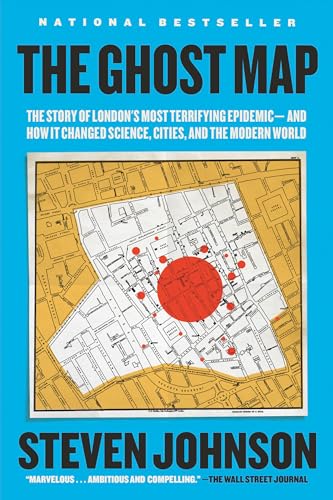
The Ghost Map by Steven Johnson describes how a physician and a local curate investigate a cholera outbreak in a rapidly expanding city without garbage removal, clean water, or sewers, and how examining the outbreak can help solve a medical riddle.

Book links are Bookshop.org affiliate links. Curiate may earn a commission on purchases, at no extra cost to you — Bookshop.org also gives a share to independent bookshops.
Reading paths, built to arrive somewhere
Curiate turns what you are curious about into a short path — a quick lesson on an article, something to watch, and a book to go deep on. Free to browse.