How the anti-apartheid movement in south africa built pressure
The Anti-Apartheid Movement was a British organisation opposing South African apartheid and supporting the oppressed non-white population, and in 1964 it spearheaded arrangements for an international sanctions conference in London. How did the movement build pressure against apartheid, and what can its campaigns help us understand? The lessons follow how organised action and public engagement carried pressure across communities and institutions.
3 articles, 1 video, 1 book · about 30 min of reading and viewing
The reading path
- Readthe anti-apartheid movement in south africa · Wikipedia · 15 min read
The Boycott Movement was founded in London on 26 June 1959, in response to an appeal by Albert Luthuli, at a meeting of South African exiles and their supporters.
- ReadDivestment: the Polaroid Revolutionary Workers' Movement - JSTOR Daily · JSTOR Daily · 2 min read
Polaroid became the first big American company to withdraw from South Africa after a 1977 investigation revealed that its distributor was still selling equipment to the apartheid government. Other corporations followed, and activism around the issue spread.
- Read"Local anti-apartheid groups" · aamarchives.org · 6 min read
During national days or months of action against companies such as Tesco or Shell, the AAM encouraged local groups to picket stores. Most people would first have encountered the anti-apartheid struggle on local high streets, through pickets asking them not to buy South African goods.
- WatchHow did South African Apartheid happen, and how did it finally end? - Thula Simpson · YouTube · 7 min watch
Thula Simpson explores how Dutch and British colonization of South Africa led to Apartheid, the strict national policy of racial segregation.
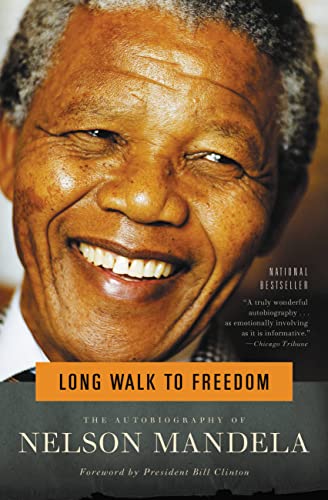
- BookLong Walk to Freedom · Bookshop.org
Long Walk to Freedom by Nelson Mandela describes his political awakening, the ANC's rebirth and Youth League, escalating political warfare, the Rivonia Trial, his twenty-seven years in prison, and negotiations leading to his freedom and the beginning of the end of apartheid.


Book links are Bookshop.org affiliate links. Curiate may earn a commission on purchases, at no extra cost to you — Bookshop.org also gives a share to independent bookshops.
Reading paths, built to arrive somewhere
Curiate turns what you are curious about into a short path — a quick lesson on an article, something to watch, and a book to go deep on. Free to browse.