How vaccine fears spread and persist in the anti-vaccine movement in the United States
The anti-vaccine movement in the United States is associated with vaccine hesitancy, the delay in accepting or refusal of available vaccines despite supporting evidence of effectivity; this hesitancy often results in outbreaks and deaths from vaccine-preventable diseases.
2 articles, 1 video, 1 book
The reading path
- Readthe anti-vaccine movement in the united states · Wikipedia · 60+ min read
The anti-vaccination controversy, generally organized on a state-by-state basis, reached the US Supreme Court in 1905. In Jacobson v. Massachusetts, the court ruled that states have the authority to require vaccination against smallpox during a smallpox epidemic. An analysis of tweets from July 2014 through September 2017 revealed an Internet Research Agency (IRA) Twitter campaign to sow discord about vaccine safety. The IRA, a Russian troll farm accused of interference in the 2016 U.S. elections, used sophisticated Twitter bots to amplify polarizing pro-vaccine and anti-vaccine messages posted by IRA trolls with the hashtag #VaccinateUS. Haemophilus influenzae B may become less familiar as it decreases in prevalence, and people may no longer appreciate how serious the illness is and become complacent. The success of vaccinations has made certain diseases rare, leading to incorrect risk-benefit thinking among the vaccine-hesitant.
- ReadVaccine Rejection and Hesitancy: A Review and Call to Action - PMC · pmc.ncbi.nlm.nih.gov
Since the late 1990s, concern has grown about the anti-vaccine movement in the United States, a loosely defined group that sows doubt about vaccine effectiveness and safety. Although vaccination rates have remained high nationally, surveys can miss community pockets of refusal, where low rates have led to localized measles and pertussis outbreaks.
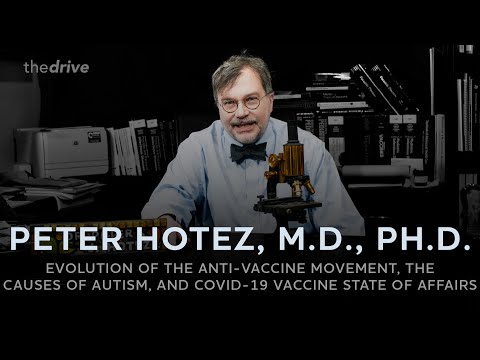
- Watch#159-Peter Hotez MD, PhD.: The anti-vaccine movement, causes of autism, & COVID-19 vaccine update · YouTube · 2 hr 9 min watch
Peter Hotez, an internationally recognized physician-scientist in neglected tropical diseases and vaccine development, discusses the origins and evolution of the anti-vaccine movement and some of the claims about vaccine additives, timing, and the HPV vaccine. The episode also covers autism and COVID-19 vaccination.
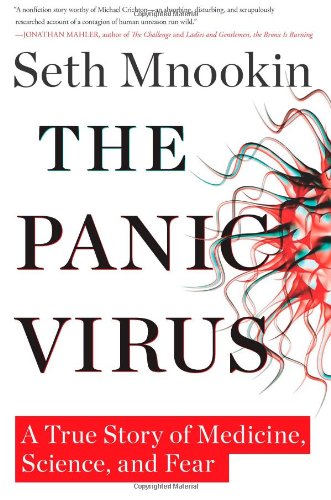
- BookThe Panic Virus · Bookshop.org
The Panic Virus by Seth Mnookin describes how vaccine opponents used media to spread panic without scientific evidence and how sensationalism amplified hysteria over childhood vaccinations and their alleged link to autism.

Book links are Bookshop.org affiliate links. Curiate may earn a commission on purchases, at no extra cost to you — Bookshop.org also gives a share to independent bookshops.
Reading paths, built to arrive somewhere
Curiate turns what you are curious about into a short path — a quick lesson on an article, something to watch, and a book to go deep on. Free to browse.