How the Byzantine Empire endured crisis and recovery
The history of the Byzantine Empire is the history of the continuation of the Eastern part of the Roman Empire, centred on Constantinople during late antiquity and the Middle Ages. It survived the fall of the Western Roman Empire in the 5th century AD and endured until the fall of Constantinople to the Ottoman Empire in 1453.
2 articles, 1 video, 1 book · about 1 hr 23 min of reading and viewing
The reading path
- Readthe history of the byzantine empire · Wikipedia · 60+ min read
The 7th-century Arab conquests led to fundamental changes in the Byzantine Empire: field armies were withdrawn into core Anatolian territories and settled in districts that became known as themata, eventually replacing the old provinces. In the history of the Byzantine Empire, Leo III (r. 717 to 741) and Constantine V (r. 741 to 775) were effective leaders in government and warfare. Constantine's success reestablished the state as a major regional power. Nicaea, ruled by the Laskarid dynasty and drawing on Byzantine refugees and local populations, blocked the Latins and the Seljuks of Rum from expanding east and west respectively. John III (r. 1221 to 1254) strengthened Nicaea militarily, economically, and diplomatically.
- ReadByzantium: Byzantine studies on the Internet · fordham.edu · 5 min read
The later history of Byzantium was not a "thousand year history of decline" leading inevitably to its conquest by the Ottoman Turks on Tuesday 29th May 1453. English historian Edward Gibbon disastrously promoted this perception, which reflected the origins of Byzantine studies in classical studies.
- WatchThe underground cities of the Byzantine Empire - Veronica Kalas · YouTube · 6 min watch
Veronica Kalas uncovers the history of the ancient underground cities beneath Cappadocia, built during the Byzantine Empire, and covers who inhabited them and why.
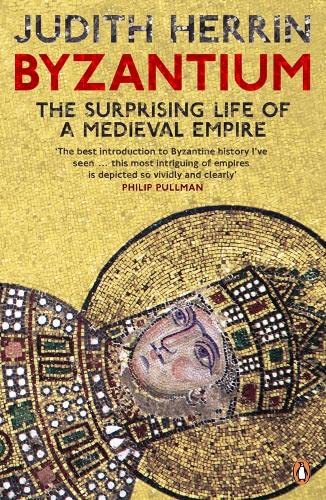
- BookByzantium: The Surprising Life of a Medieval Empire · Bookshop.org
Byzantium by Judith Herrin presents Byzantine history through short thematic chapters on subjects ranging from Hagia Sophia and iconoclasm to eunuchs, Anna Komnene, and the crusades, then describes the sweep from Constantinople's founding in 330 to its fall in 1453.


Book links are Bookshop.org affiliate links. Curiate may earn a commission on purchases, at no extra cost to you — Bookshop.org also gives a share to independent bookshops.
Reading paths, built to arrive somewhere
Curiate turns what you are curious about into a short path — a quick lesson on an article, something to watch, and a book to go deep on. Free to browse.