How the Roman Empire connected its territories
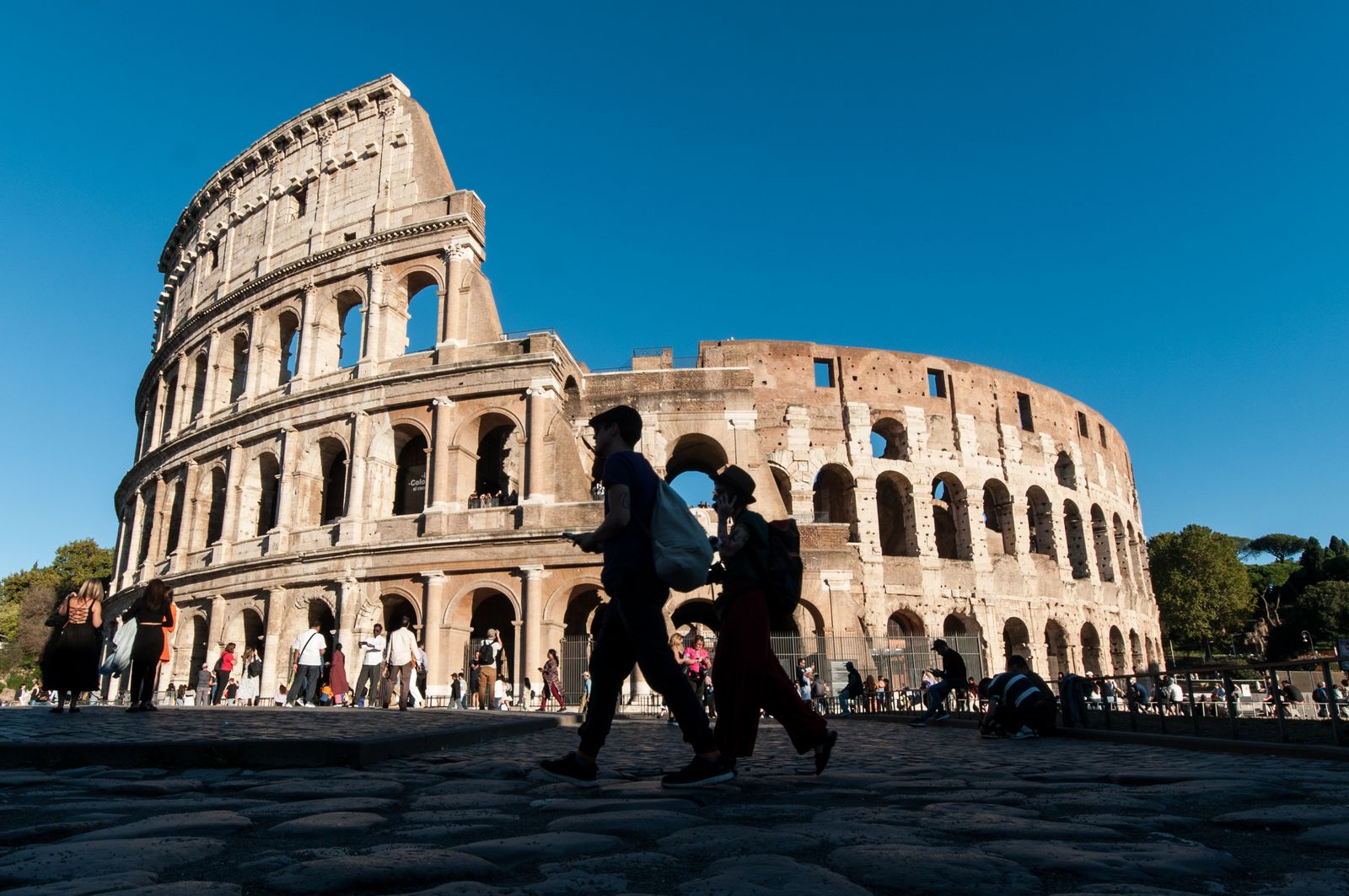
The Roman Empire was a state that dominated the Mediterranean and much of Europe, Western Asia, and North Africa during the classical period. What connected Rome's vast territories, and how can you understand the ways imperial rule held them together? The lessons consider the roles of military oversight, local languages, and transport in linking the empire.
2 articles, 1 video, 1 book · about 2 hr 13 min of reading and viewing
The reading path
- Readthe roman empire · Wikipedia · 60+ min read
The Roman military shifted from conquering territory to policing it after a city or people came under treaty, protecting Roman citizens, agricultural fields, and religious sites. Cooperation with local elites helped maintain order, collect information, and extract revenue, connecting Rome's vast territories without relying on force alone. Roman interpreters point to the continued use of local languages, particularly Coptic in Egypt and in military settings along the Rhine and Danube. Palmyrene soldiers in Syria used their dialect of Aramaic for inscriptions, although Latin was the language of the military. Roman policy generally respected mos regionis, or regional tradition, treating local laws as sources of legal precedent and social stability. When provincial law conflicted with Roman law or custom, Roman courts heard appeals, and the emperor held final decision-making authority.
- ReadAncient Rome's Roads Might Have Been Almost Twice as Long as Researchers Previously Thought · Smithsonian Magazine · 3 min read
Itiner-e, a digital atlas of roads connecting the Roman Empire, aims to be the most comprehensive dataset of the network used to carry messages and goods and stage military campaigns. The map finds that Roman roads covered a lot more ground than previously thought.
- WatchAncient Rome's most notorious doctor - Ramon Glazov · YouTube · 5 min watch
Ramon Glazov profiles Galen of Pergamon, the Greek physician and philosopher whose experiments and discoveries changed medicine. Galen's lasting influence offers a view of medicine in the Roman Empire and why his authority endured for centuries.
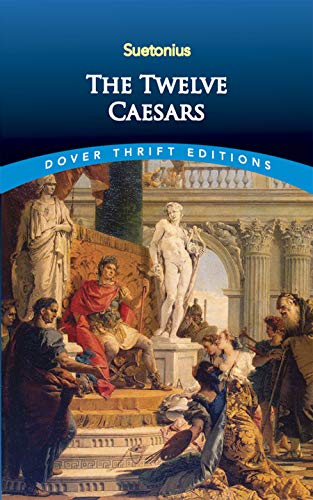
- BookThe Twelve Caesars · Bookshop.org
The Twelve Caesars by Suetonius chronicles the public careers and private lives of the men who wielded absolute power over Rome, from the foundation of the empire under Julius Caesar and Augustus to the decline into depravity and civil war under Nero and the recovery that came with his successors.

Book links are Bookshop.org affiliate links. Curiate may earn a commission on purchases, at no extra cost to you — Bookshop.org also gives a share to independent bookshops.
Reading paths, built to arrive somewhere
Curiate turns what you are curious about into a short path — a quick lesson on an article, something to watch, and a book to go deep on. Free to browse.