How the ethics of biotechnology weighs engineered microbes
The ethics of biotechnology is a field of study and professional practice concerned with ethical issues related to health and advances in biology, medicine, and technologies. It addresses ethical questions arising among the life sciences, biotechnology, medicine, politics, law, theology, and philosophy.
2 articles, 1 video, 1 book · about 1 hr 38 min of reading and viewing
The reading path
- Readthe ethics of biotechnology · Wikipedia · 31 min read
Germline gene therapy is a controversial type of gene therapy in which genes in a sperm or egg can be edited to prevent genetic disorder in the future generation. It is unknown how this type of gene therapy affects long-term human development. For the ethics of biotechnology, the US National Commission for the Protection of Human Subjects of Biomedical and Behavioral Research was initially established in 1974 to identify basic ethical principles for research involving human subjects. The Belmont Report (1979) announced respect for persons, beneficence and justice, principles that have influenced bioethicists across a wide range of issues. Biologists W. M. S. Russell and R. L. Burch developed the "3 R's", guidelines for animal ethics in scientific research: replacing animal use, reducing the number of animals used, and refining procedures to mitigate animal suffering. Animal ethics is part of bioethics, which addresses ethical issues related to advances in biology, medicine, and technologies.
- ReadThe 1970s law holding back modern biotechnology · Works in Progress · 12 min read
Genetically engineered microorganisms can pull nitrogen from the air and detect buried landmines by releasing gases visible to satellites. But almost none have been used, thanks to an American law written in 1976 for industrial chemicals, the Toxic Substances Control Act (TSCA), which was applied to engineered microbes as well.
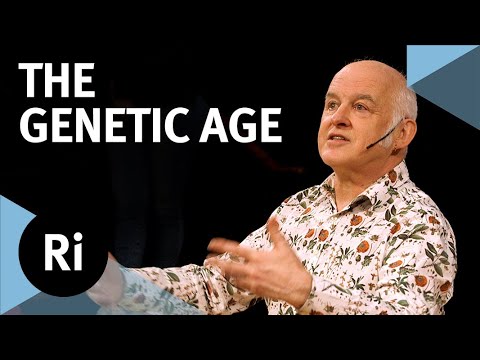
- WatchIs genetic engineering a dream or a nightmare? – with Matthew Cobb · YouTube · 55 min watch
Matthew Cobb's lecture covers genetic techniques that have transformed science and asks whether they are a dream or a nightmare for humanity. It explores scenarios that have happened, including making viruses more transmissible and dangerous and editing and implanting human embryos.
- BookOryx and Crake · Bookshop.org
Oryx and Crake is a 2003 novel by Canadian author Margaret Atwood. She has described the novel as speculative fiction and adventure romance, rather than pure science fiction, because it does not deal with things "we can't yet do or begin to do", yet goes beyond the amount of realism she associates with the novel form.


Book links are Bookshop.org affiliate links. Curiate may earn a commission on purchases, at no extra cost to you — Bookshop.org also gives a share to independent bookshops.
Reading paths, built to arrive somewhere
Curiate turns what you are curious about into a short path — a quick lesson on an article, something to watch, and a book to go deep on. Free to browse.