How the Spanish Civil War was experienced and recorded
The Spanish Civil War was fought in Spain from 1936 to 1939 between Republicans and Nationalist rebels, after a coup against the Popular Front government partly failed. What can we understand about how people experienced the war and how its record was made? The lessons consider how conflict is lived, remembered, and documented.
2 articles, 1 video, 1 book · about 2 hr 12 min of reading and viewing
The reading path
- Readthe history of the civil war in spain · Wikipedia · 60+ min read
Pablo Picasso painted Guernica in 1937, inspired by the bombing of Guernica. The painting's size (3.49 m by 7.76 m) grabbed much attention and cast the horrors of the mounting Spanish civil unrest into a global spotlight. During the Spanish Civil War, around 4,000 Basque children were evacuated to the UK on 21 May 1937 aboard the SS Habana from Santurtzi. Two days later, they arrived in Southampton and were sent to families across England, with over 200 accommodated in Wales.
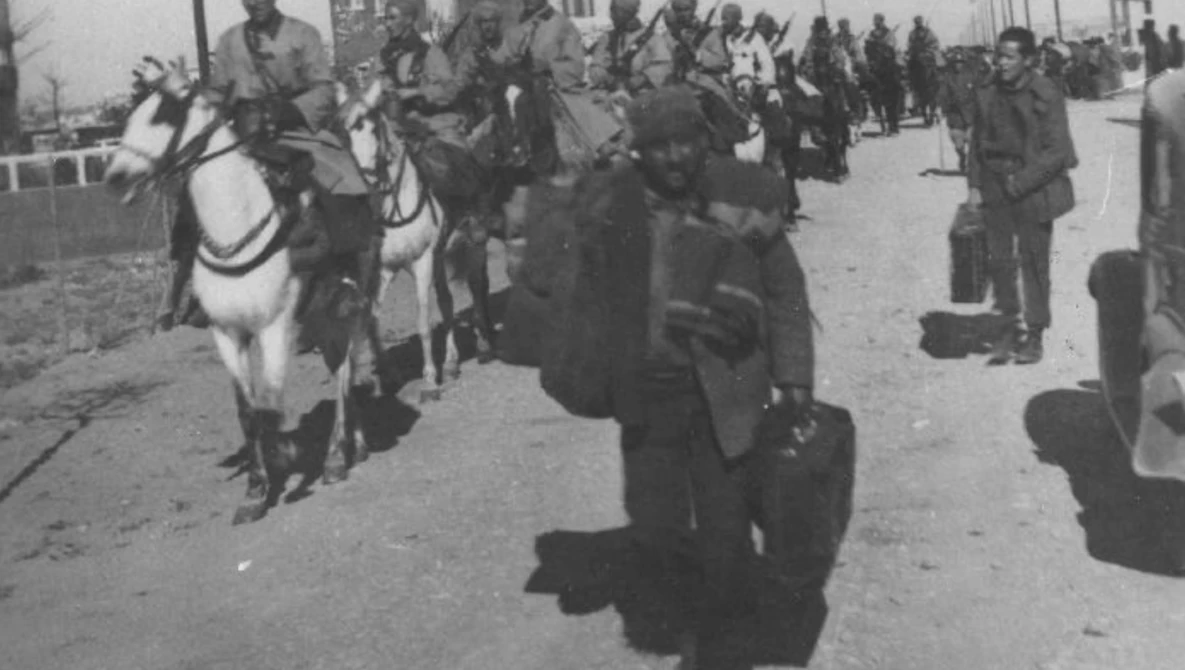
- ReadInside the Mexican Suitcase: The Spanish Civil War Negatives Lost for 68 Years · Fstoppers · 9 min read
For the history of the Spanish Civil War, scholars had the iconic photographs but not the rolls they came from. The recovered boxes contained complete rolls, contact sheets, and a fuller record of each assignment that could be reconstructed from the negatives.
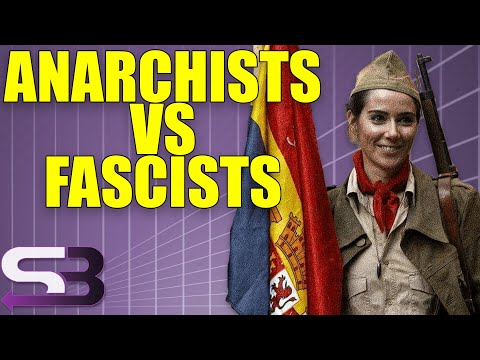
- WatchThe Anarchists of the Spanish Civil War · YouTube · 6 min watch
The anarchists were a less remembered faction in the Spanish Civil War, and both republicans and fascists targeted them. Their story adds a perspective beyond the nationalist and Republican sides.
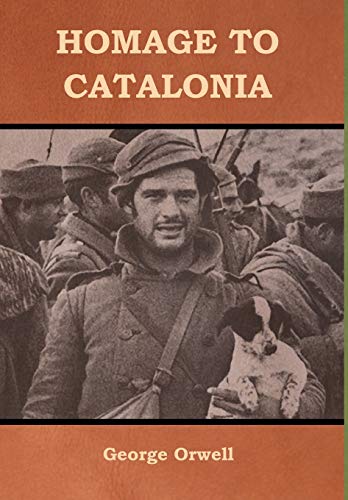
- BookHomage to Catalonia · Bookshop.org
Homage to Catalonia by George Orwell includes a passage in which Orwell speculates on how the Spanish Civil War might turn out.

Book links are Bookshop.org affiliate links. Curiate may earn a commission on purchases, at no extra cost to you — Bookshop.org also gives a share to independent bookshops.
Reading paths, built to arrive somewhere
Curiate turns what you are curious about into a short path — a quick lesson on an article, something to watch, and a book to go deep on. Free to browse.