How trench warfare shaped the history of world war i
The history of World War I concerns a global conflict between the Allies and the Central Powers, fought from 28 July 1914 to 11 November 1918. It began after Gavrilo Princip, a Bosnian Serb, assassinated Franz Ferdinand, heir to the Austro-Hungarian throne, on 28 June 1914.
2 articles, 1 book · about 1 hr 50 min of reading and viewing
The reading path
- Readthe history of world war i · Wikipedia · 60+ min read
In February 1916, the Germans attacked French defensive positions at the Battle of Verdun, lasting until December 1916. Barbed wire, machine guns and artillery made massed infantry advances extremely difficult, and both sides struggled to breach entrenched positions without heavy casualties. World War I veterans returning home often found they could discuss their experiences only among themselves, so formed "veterans' associations" or "Legions". World War I caused about 15 to 22 million deaths and about 23 million wounded military personnel, ranking it among the deadliest conflicts in human history. The deaths included between 9 and 11 million military personnel and an estimated civilian death toll of about 6 to 13 million.
- ReadWorld War I: Summary, Causes & Facts | HISTORY · HISTORY · 14 min read
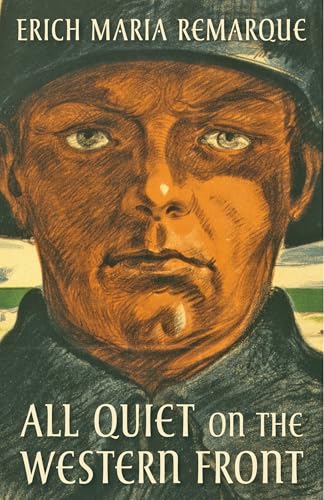
The Battle of Verdun, fought from February-December 1916, caused close to a million casualties among German and French troops alone. The Western Front's bloodshed and the difficulties its soldiers faced for years after the fighting inspired Erich Maria Remarque to write All Quiet on the Western Front.
- BookAll Quiet on the Western Front · Bookshop.org
All Quiet on the Western Front by Erich Maria Remarque describes German soldiers' physical and mental trauma, the filthy conditions of trench warfare, and the disconnection from civilian life Paul experiences when he visits home.


Book links are Bookshop.org affiliate links. Curiate may earn a commission on purchases, at no extra cost to you — Bookshop.org also gives a share to independent bookshops.
Reading paths, built to arrive somewhere
Curiate turns what you are curious about into a short path — a quick lesson on an article, something to watch, and a book to go deep on. Free to browse.