How the Texas fracking boom affects communities
Fracking in Texas communities can contaminate water, release methane and air pollution, and affect human and ecosystem health, while Valerie Brown wrote in 2007 that chemical exposure was expected to rise, with uncertain consequences. The lessons answer how the boom's local costs and benefits shape communities, helping readers understand its varied effects. They consider environmental, health, infrastructure, and economic themes.
2 articles, 1 book · about 1 hr 22 min of reading and viewing
The reading path
- Readthe impact of fracking on local communities in texas · Wikipedia · 60+ min read
In Texas, local fracking activities had cost an estimate of 2 billion dollars in damage to roads that connect drilling sites to storage sites, according to the Texas Department of Transportation in July 2012. Fracking damages local roads and bridges that were not designed and constructed to frequently withstand heavier loads. Fracking's impact on Texas communities included Barnhart, Texas, where the aquifer supplying the local community ran dry because of intensive water utilization for hydraulic fracturing. In May 2015, the EPA released a report reviewing spill data from various state and industry sources. Of the reports reviewed, 1% (457) were related to hydraulic fracturing, while 66% were unrelated and 33% had insufficient data to determine whether spills were associated with it, highlighting the need for better reporting to guide environmental safety practices.
- ReadOil Boom in Eagle Ford Shale Brings New Wealth to South Texas - Southwest Economy, second quarter 2012 - Dallas Fed · dallasfed.org · 16 min read
In the 23-county area, local royalty payments increased by $584 million in the 2007 to 11 period, based on applying a 20 percent royalty to oil, natural gas and condensate revenues. Mineral-rights owners receive a share of the value of hydrocarbons produced; 20 to 25 percent is common in Texas.
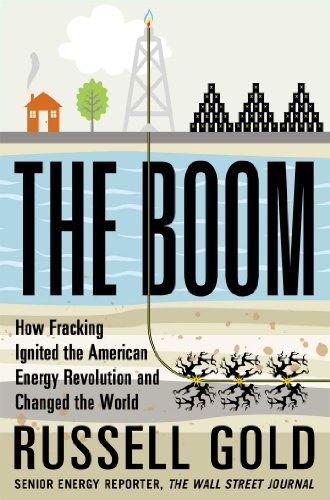
- BookThe Boom: How Fracking Ignited the American Energy Revolution and Changed the World · Bookshop.org
The Boom by Russell Gold presents an unstinting exploration of controversial fracking technologies, considers supporters' and detractors' arguments, and profiles key contributors. Gold describes how fracking is changing the way energy is used.

Book links are Bookshop.org affiliate links. Curiate may earn a commission on purchases, at no extra cost to you — Bookshop.org also gives a share to independent bookshops.
Reading paths, built to arrive somewhere
Curiate turns what you are curious about into a short path — a quick lesson on an article, something to watch, and a book to go deep on. Free to browse.