How to build agreements across differences in the art of negotiation
The art of negotiation is a dialogue between two or more parties to resolve differences, gain an advantage, or craft outcomes that satisfy various interests. What helps people build agreements across differences, even when their interests, circumstances, and cultural perspectives vary? The lessons consider how negotiation can create agreements while navigating differences in needs, preparation, culture, and circumstances.
2 articles, 1 video, 1 book · about 2 hr 17 min of reading and viewing
The reading path
- Readthe art of negotiation · Wikipedia · 54 min read
Integrative negotiation is also called interest-based, merit-based, "win-win," or principled negotiation. It attempts to create value so both parties benefit, for example by trading gains on one issue for losses on another, and different parties often value various outcomes differently. Planning includes developing a "best alternative to a negotiated agreement", or BATNA: the most advantageous alternative course of action if the current negotiation ends without agreement. The quality of a BATNA has the potential to improve a party's negotiation outcome. Negotiation can be pictured as a "negotiation pie": the total advantages and disadvantages to be distributed. If negotiating parties expand the total pie, a win-win situation is possible, assuming both parties profit from the expansion.
- ReadClimate games: How understanding the rules of negotiation is key to delivering a global deal - Carbon Brief · Carbon Brief · 3 min read
In climate negotiations, researchers say larger countries should be prepared to make bigger concessions. The paper says their adjustments contribute more substantially to reaching the reduction target, so countries with big emissions, such as the US, China, and those in the EU, "should expect to make larger proportional reduction commitments in successful negotiations".
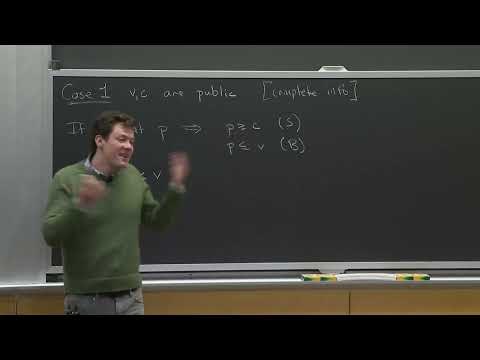
- WatchLecture 23: Bargaining with Incomplete Information · YouTube · 1 hr 20 min watch
Ian Ball explains bargaining with incomplete information, a scenario where at least one party lacks full knowledge of the other's private information, and gives plea bargains as an example.
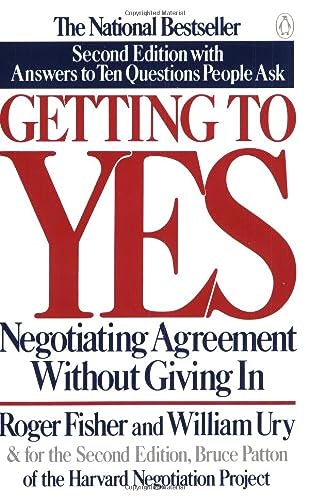
- BookGetting to Yes: Negotiating Agreement Without Giving In · Bookshop.org
Getting to Yes by Roger Fisher describes a step-by-step strategy for reaching mutually acceptable agreements in different kinds of conflict.


Book links are Bookshop.org affiliate links. Curiate may earn a commission on purchases, at no extra cost to you — Bookshop.org also gives a share to independent bookshops.
Reading paths, built to arrive somewhere
Curiate turns what you are curious about into a short path — a quick lesson on an article, something to watch, and a book to go deep on. Free to browse.