Italian diaspora in America and mob stereotypes
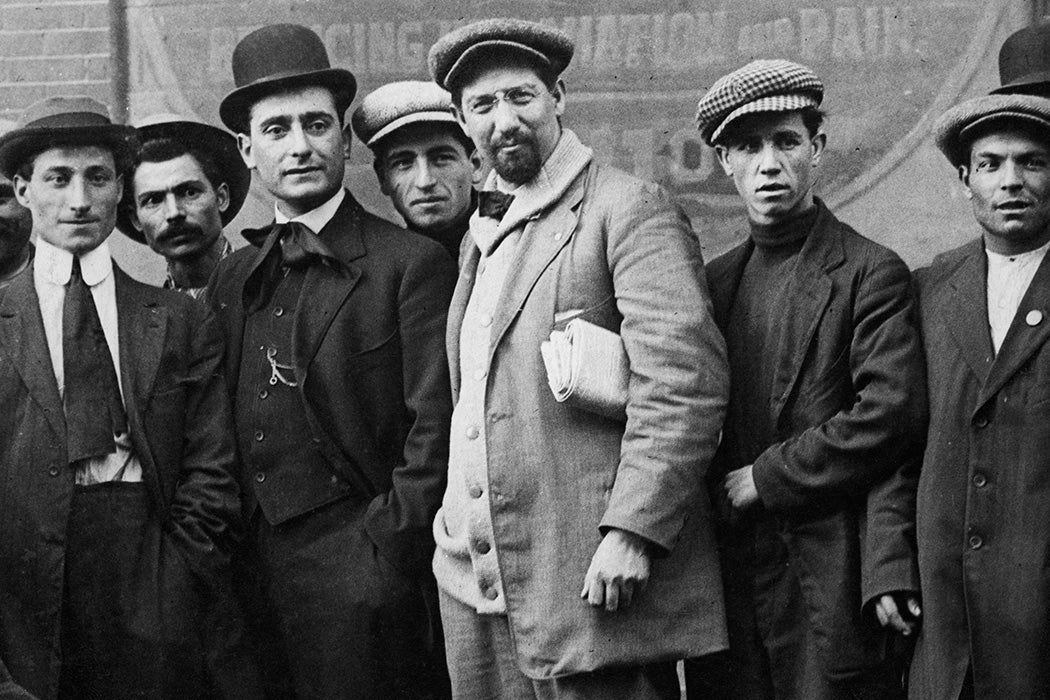
The Italian diaspora in America began to increase during the 1880s, when more than twice as many Italians immigrated than had in the five previous decades combined; from 1880 to the outbreak of World War I in 1914, more than 4 million Italians immigrated to the United States.
2 articles, 1 book · about 1 hr 37 min of reading and viewing
The reading path
- Readthe italian diaspora in america · Wikipedia · 60+ min read
In the Italian diaspora in America, print media greatly contributed to stereotyping Italians with lurid accounts of secret societies and criminality. Between 1890 and 1920, Italian neighborhoods were often depicted as violent and controlled by criminal networks. During the Italian diaspora in America, immigrants without industrial skills found low-wage manual labor jobs. Most used the padrone system, in which Italian middlemen found jobs for groups of men and controlled their wages, transportation, and living conditions for a fee. Italian immigration was heavily curtailed by the war and the restrictive Emergency Quota Act of 1921 and Immigration Act of 1924. Total annual immigration was capped at 357,000 in 1921 and lowered to 150,000 in 1924.
- ReadThe Radical History of Italian Americans · JSTOR Daily · 13 min read
In New York's Little Italy, now more a tourist attraction than an actual ethnic neighborhood, T-shirt vendors sell wares featuring Al Capone or John Gotti; shirts featuring Carlo Tresca, Nicola Sacco, Bartolomeo Vanzetti or Luigi Galleani would be a better choice. Much stereotyping about Italians predictably revolves around the mob, sometimes encouraged by Italian-Americans themselves.
- BookThe Godfather · Bookshop.org
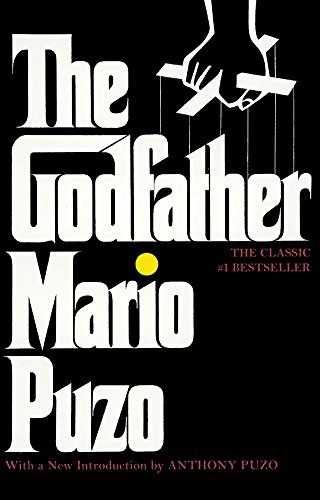
The Godfather by Mario Puzo details a fictional Mafia family in New York City and Long Island from 1945 to 1955, including Vito Corleone's backstory from early childhood to adulthood.

Book links are Bookshop.org affiliate links. Curiate may earn a commission on purchases, at no extra cost to you — Bookshop.org also gives a share to independent bookshops.
Reading paths, built to arrive somewhere
Curiate turns what you are curious about into a short path — a quick lesson on an article, something to watch, and a book to go deep on. Free to browse.