Irish Diaspora in America: Arrivals, Labor and Patronage
The experience of the Irish diaspora in America concerns Americans with full or partial Irish ancestry or citizenship. Irish immigration had complex causes, and many Irish people sought a better life elsewhere as European colonies in the Americas offered destinations for emigration.
2 articles, 1 video, 1 book · about 2 hr 4 min of reading and viewing
The reading path
- Readthe experience of the irish diaspora in america · Wikipedia · 60+ min read
The experience of the Irish diaspora in America included 1,956,557 Irish arrivals in the United States from 1820 to 1860; 75% arrived after the Great Irish Famine (or The Great Hunger, Irish: An Gorta Mór) of 1845 to 1852 struck. Irish-American communities in Butte, Montana include around one-quarter of the population reporting Irish ancestry, the highest percentage of Irish Americans per capita of any city in the United States, according to the 2010 U.S. Census. Butte's Irish Catholic population originated with waves of Irish immigrants who arrived in the late-nineteenth century to work in the industrial mines. Irish immigrants gained strength in city hall, where politicians distributed local government jobs to their supporters. The 1897 consolidation of New York City's five boroughs created 20,000 new patronage jobs.
- ReadHow Tens of Thousands of Irish Immigrants Led the Patriots to Victory During the American Revolution · Smithsonian Magazine · 9 min read
In the early 18th century, tens of thousands of Irish people, most of them Ulster Presbyterians, decided to leave their homeland in search of a "new life," says Melanie McComb. By 1775, an estimated 250,000 Scots-Irish had immigrated to the American Colonies, lured by greater religious freedom and plentiful land.
- WatchHow do you relate to the Irish Diaspora? Paul Muldoon | Big Think · YouTube · 5 min watch
Paul Muldoon, a writer, academic and educator from County Armagh who lives in the United States, discusses his connection to the Irish diaspora and Irish links to the U.S. He mentions emigration during the famines of the 19th century and the Scotch-Irish migration, connecting these histories to the experience of the Irish diaspora in America.
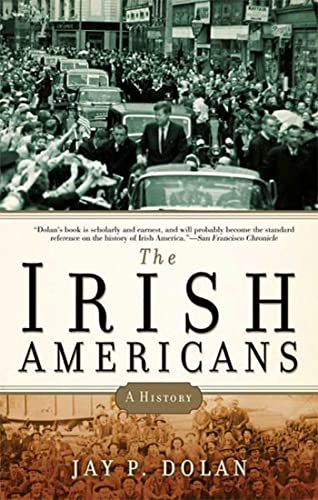
- BookThe Irish Americans: A History · Bookshop.org
The Irish Americans by Jay P. Dolan gives a general history of the Irish American saga, drawing on original research and recent scholarship.



Book links are Bookshop.org affiliate links. Curiate may earn a commission on purchases, at no extra cost to you — Bookshop.org also gives a share to independent bookshops.
Reading paths, built to arrive somewhere
Curiate turns what you are curious about into a short path — a quick lesson on an article, something to watch, and a book to go deep on. Free to browse.