the development of pragmatism in early 20th century america
The development of pragmatism in early 20th century America was part of a philosophical movement that began in the United States around 1870, credited to Charles Sanders Peirce and later 20th-century contributors William James and John Dewey.
2 articles, 1 video, 1 book · about 3 hr 8 min of reading and viewing
The reading path
- Readthe development of pragmatism in early 20th century america · Wikipedia · 46 min read
Dewey in The Quest for Certainty criticized what he called "the philosophical fallacy": Philosophers often take categories such as the mental and the physical for granted because they don't realize these are nominal concepts invented to help solve specific problems. This causes metaphysical and conceptual confusion. Community of Inquiry is Dewey's notion of a community involving a problematic situation, scientific attitude, and participatory democracy. Patricia M. Shields introduced it into the debate over pragmatism in public administration, and Hugh Miller objected to its scientific attitude.
- ReadPragmatism (Stanford Encyclopedia of Philosophy/Fall 2014 Edition) · plato.stanford.edu · 50 min read
Pragmatic method is clarifying an idea by considering what practical effects it might involve. William James used it to clarify truth, free will, and religious belief, and disputes that seemed intellectually unresolvable begin to dissolve; he argued that science, morality, and religion are not in competition.
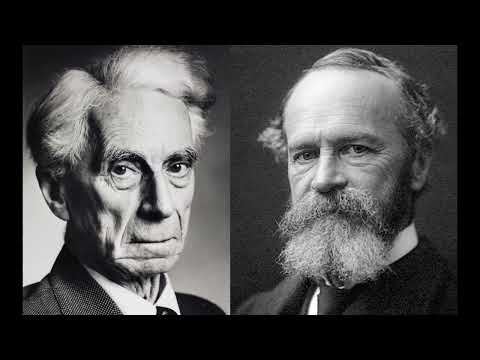
- WatchBertrand Russell on Pragmatism · YouTube · 1 hr 32 min watch
Bertrand Russell discusses pragmatism, beginning with William James' work "The Will to Believe," and critiques some of the pragmatist conceptions of truth and knowledge.
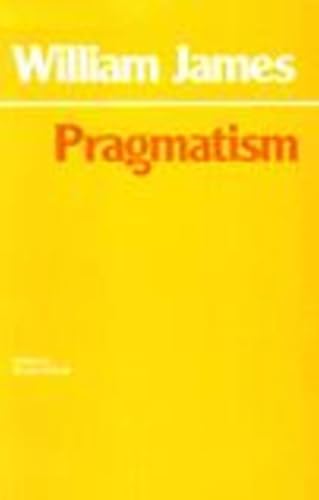
- BookPragmatism: A New Name for Some Old Ways of Thinking · Bookshop.org
Pragmatism by William James follows lectures on what pragmatism means, some metaphysical problems pragmatically considered, common sense, truth, humanism, and religion.

Book links are Bookshop.org affiliate links. Curiate may earn a commission on purchases, at no extra cost to you — Bookshop.org also gives a share to independent bookshops.
Reading paths, built to arrive somewhere
Curiate turns what you are curious about into a short path — a quick lesson on an article, something to watch, and a book to go deep on. Free to browse.