Workers' power in the labor movement in the early 20th century
The early twentieth century labor movement saw both major American parties vie for union votes, with the Democratic Party usually much more successful. The lessons explore how workers built power through strikes and protests, and how workplace conditions shaped their ability to act.
2 articles, 1 book · about 1 hr 42 min of reading and viewing
The reading path
- Readthe labor movement in the early 20th century · Wikipedia · 60+ min read
During the major economic depression of the early 1890s, the Pullman Palace Car Company cut wages in its factories. Discontented workers joined the American Railway Union (ARU), led by Eugene V. Debs, which supported their strike with a boycott of all Pullman cars on all railroads; the entire ARU struck the railroads on June 26, 1894. The labor movement in the early 20th century confronted factory safety after a fire broke out in the Triangle Shirtwaist Factory in Manhattan, New York City, in 1911. Due to the lack of fire safety measures in the building, 146 primarily female workers were killed. The United Mine Workers won a strike against soft coal mines in the Midwest in 1900, but its strike against Pennsylvania hard coal mines became a national political crisis in 1902. President Theodore Roosevelt brokered a compromise that kept coal flowing and brought higher wages and shorter hours, but did not recognize the union as a bargaining agent.
- ReadHow Labor Lost May Day - JSTOR Daily · JSTOR Daily · 2 min read
May Day became a workers' holiday in 1886, when the Knights of Labor held demonstrations for the eight-hour work day, linking the holiday to workers' demands. Within a couple of years, the American Federation of Labor and the Second International in Paris had both declared May 1 a day of protest.
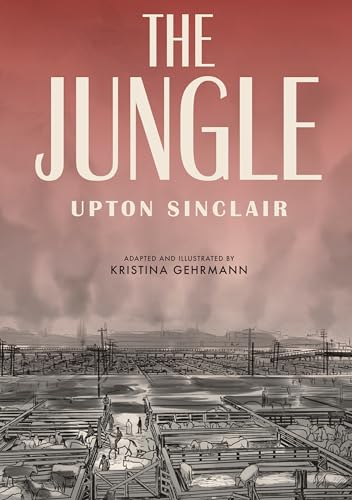
- BookThe Jungle · Bookshop.org
The Jungle by Upton Sinclair is presented in an uncensored 1905 edition that restores social and political commentary removed from the commercial edition; its introduction explains the pattern of censorship, giving readers context for how the novel's account was edited.


Book links are Bookshop.org affiliate links. Curiate may earn a commission on purchases, at no extra cost to you — Bookshop.org also gives a share to independent bookshops.
Reading paths, built to arrive somewhere
Curiate turns what you are curious about into a short path — a quick lesson on an article, something to watch, and a book to go deep on. Free to browse.