How sugar shaped slavery and capitalist power
How sugar became a modern commodity and a question of power concerns the political economy of food commodities, studied by American anthropologist Sidney Wilfred Mintz, born in 1922, through historical and ethnographic studies. The lessons ask how sugar connects slavery and capitalist power. They trace the relationship between plantation systems, labor, and wider economic change.
2 articles, 1 book · about 18 min of reading and viewing
The reading path
- Readhow sugar became a modern commodity and a question of power in Sweetness and Power · Wikipedia · 16 min read
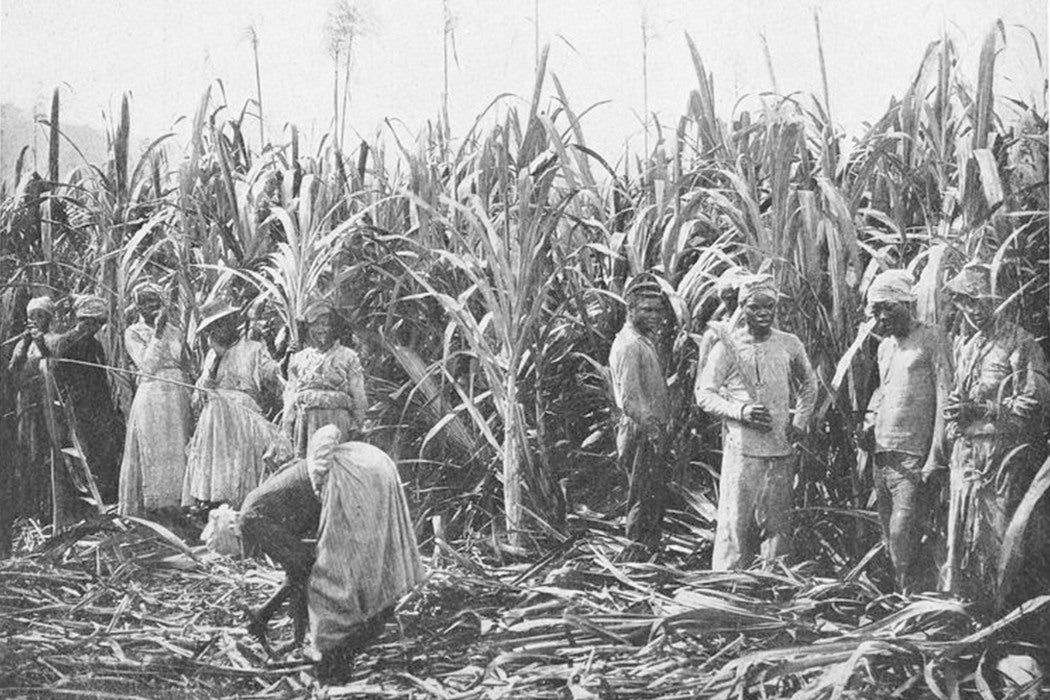
Anthropologist Mintz claimed that modernity originated in the Caribbean: Europe's first factories were embodied in a plantation complex devoted to cultivating sugar cane and a few other agricultural commodities. Sugar's commercialization provided the wherewithal for the industrial revolution and transformed European foodways, tastes, and consumer behavior. Mintz compared slavery and forced labor across islands, time and colonial structures, including Jamaica and Puerto Rico. He argued that treatment of slaves depended on a colony's integration into the world economic system, metropolitan control, and the intensity of exploitation of labor and land. Mintz's tentative typology of Caribbean peasantries includes "proto-peasantry," enslaved people honing farming and marketing skills, and "runaway peasantries" or maroons, who formed communities outside colonial authority. For Mintz, these adaptations were a "mode of response" to the plantation system and a "mode of resistance" to superior power.
- ReadSugar Has Always Been Bad - JSTOR Daily · JSTOR Daily · 2 min read
Sugar came from slave plantations in the Americas for centuries, and campaigns against "slave sugar" by British and American abolitionists were some of the earliest uses of the economic boycott. Quakers in the US and Great Britain abstained from slave products from the 1750s, and campaigns against "blood-stained sugar" took place in Great Britain in the 1790s and 1820s.
- BookSweetness and Power · Bookshop.org
Sweetness and Power by Sidney W. Mintz discusses sugar's production and consumption, tracing its shift from an extravagant luxury for the aristocracy to a staple of the new industrial proletariat, and considers how it altered work patterns, eating habits, and diet in modern times.

Book links are Bookshop.org affiliate links. Curiate may earn a commission on purchases, at no extra cost to you — Bookshop.org also gives a share to independent bookshops.
Reading paths, built to arrive somewhere
Curiate turns what you are curious about into a short path — a quick lesson on an article, something to watch, and a book to go deep on. Free to browse.