How slavery shaped resistance and freedom
The history of slavery is the history of people held in slavery across many cultures, tribes, nationalities, and religions, from ancient times to the present, with social, economic, and legal positions that differed across systems and places. What can we understand about slavery, resistance, and freedom by considering how these experiences and struggles shaped historical perspectives and ideas about democracy?
2 articles, 1 video, 1 book · about 2 hr 34 min of reading and viewing
The reading path
- Readthe history of slavery · Wikipedia · 60+ min read
The British Parliament voted in 1807 to make the slave trade illegal anywhere in the Empire, following many years of lobbying by the abolitionist movement, led primarily by William Wilberforce. The decision proved to be a milestone in the British abolitionist movement, and slavery itself was abolished in the British Empire (except for India) with the Slavery Abolition Act 1833. Maya warfare supplied prisoners for human sacrifice and slaves for temple construction; most human-sacrifice victims were prisoners of war or slaves. The Emancipation Proclamation was an executive order issued by Lincoln on 1 January 1863. It changed the legal status, as recognized by the U.S. government, of 3 million slaves in designated areas of the Confederacy from "slave" to "free."
- ReadAutographs for Freedom (1853) · Public Domain Review · 2 min read
Frederick Douglass's historical fiction about slavery, "The Heroic Slave," centers on Madison Washington, who led a rebellion on the Creole in 1841. The rebels redirected the slave ship to Nassau in the Bahamas.
- WatchThe Atlantic Slave Trade: Crash Course World History #24 · YouTube · 11 min watch
John Green examines slavery's origins, its changes over time, and how Europeans and American colonists came to enslave people based on skin color.
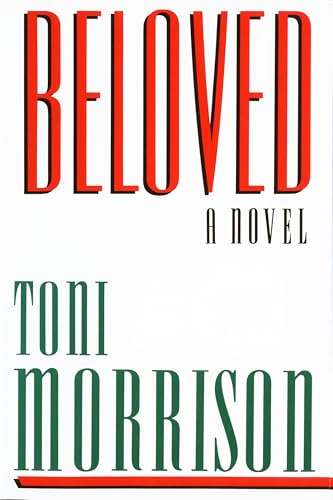
- BookBeloved · Bookshop.org
Beloved by Toni Morrison depicts Sethe grappling with her traumatic past and describes the limitations enslaved women faced; it also explores the interior life of the formerly enslaved.


Book links are Bookshop.org affiliate links. Curiate may earn a commission on purchases, at no extra cost to you — Bookshop.org also gives a share to independent bookshops.
Reading paths, built to arrive somewhere
Curiate turns what you are curious about into a short path — a quick lesson on an article, something to watch, and a book to go deep on. Free to browse.