The Reconstruction era in the United States and freedom's limits
The Reconstruction era was the period after the American Civil War, fought from 1861 to 1865, when the United States faced the challenges of abolishing slavery and reintegrating the former Confederate States, while three amendments granted newly freed people citizenship and equal civil rights. The lessons answer how freedom's promise took shape and where its limits emerged.
3 articles, 1 video, 1 book · about 2 hr 23 min of reading and viewing
The reading path
- Readthe reconstruction era in the united states · Wikipedia · 60+ min read
On March 3, 1865, the Freedmen's Bureau Bill became law, creating a federal bureau to provide food, clothing, fuel, and advice on negotiating labor contracts. The bureau attempted to oversee relations between freedmen and their former masters in a free labor market. The Reconstruction Acts of 1867 outlined the terms for rebel states' readmission to the Union. Congress established military districts in the South and used Army personnel to administer the region until governments loyal to the Union, accepting the Fourteenth Amendment and freedmen's right to vote, could be established. During congressional Reconstruction, historian James D. Anderson argues that freed slaves were the first Southerners "to campaign for universal, state-supported public education." Black members of the Republican coalition helped establish that principle in state constitutions for the first time.
- ReadHow Black Americans Fought for Literacy - JSTOR Daily · JSTOR Daily · 2 min read
After the Civil War, newly freed people sought education, particularly learning to read and write, from the moment US Army troops arrived in southern communities. People who couldn't read often persuaded someone who had gained some literacy to give them lessons.
- ReadTeaching kids how battles about race from 150 years ago mirror today's conflicts · Hechinger Report · 12 min read
In 1877, the federal government pulled troops out of the South, and most of the gains made during Reconstruction were lost. Once the federal government left, a backlash began, as racist legislators effectively stripped blacks of their Constitutional rights by passing laws mandating segregation and restricting voting rights.
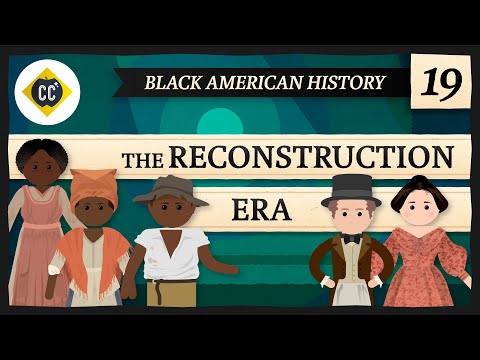
- WatchReconstruction: Crash Course Black American History #19 · YouTube · 14 min watch
Reconstruction was the political process of reuniting the country and extending citizenship rights to Black Americans. It included the Reconstruction amendments, the Freedman's Bureau and the election of 1876.
- BookThe Known World · Bookshop.org
The Known World by Edward P. Jones follows events around Henry Townsend's death in 1855 and the disappearance of enslaved people from his plantation, revealing the moral contradictions and social complexities of a society built on human bondage.



Book links are Bookshop.org affiliate links. Curiate may earn a commission on purchases, at no extra cost to you — Bookshop.org also gives a share to independent bookshops.
Reading paths, built to arrive somewhere
Curiate turns what you are curious about into a short path — a quick lesson on an article, something to watch, and a book to go deep on. Free to browse.