How the British Empire reshaped land and labor
The history of the British Empire is the history of the dominions, colonies, protectorates, mandates, and other territories ruled or administered by the United Kingdom and its predecessor states. It began with overseas possessions and trading posts established by England in the late 16th and early 17th centuries, and colonisation attempts by Scotland during the 17th century.
2 articles, 1 video, 1 book · about 1 hr 35 min of reading and viewing
The reading path
- Readthe history of the british empire · Wikipedia · 60+ min read
Sugarcane plantations were first established on Barbados in the 1640s, with assistance from Dutch merchants and Sephardic Jews fleeing Portuguese Brazil. At first, sugar was grown primarily using white indentured labor, but rising costs soon led English traders to embrace the use of imported African slaves. The Indian Rebellion in 1857 precipitated the East India Company's eventual end, beginning with a mutiny of sepoys, Indian troops under British officers and discipline. The following year, the British government dissolved the company and assumed direct control over India through the Government of India Act 1858, establishing the British Raj. British colonization of Australia devastated Indigenous Australians through disease, violence, and deliberate dispossession of land and culture; they were considered too uncivilized to require treaties. Britain continued transporting convicts to New South Wales until 1840, to Tasmania until 1853 and to Western Australia until 1868.
- Read"Britain's colonial shame: Slave-owners given huge payouts after" · independent.co.uk · 6 min read
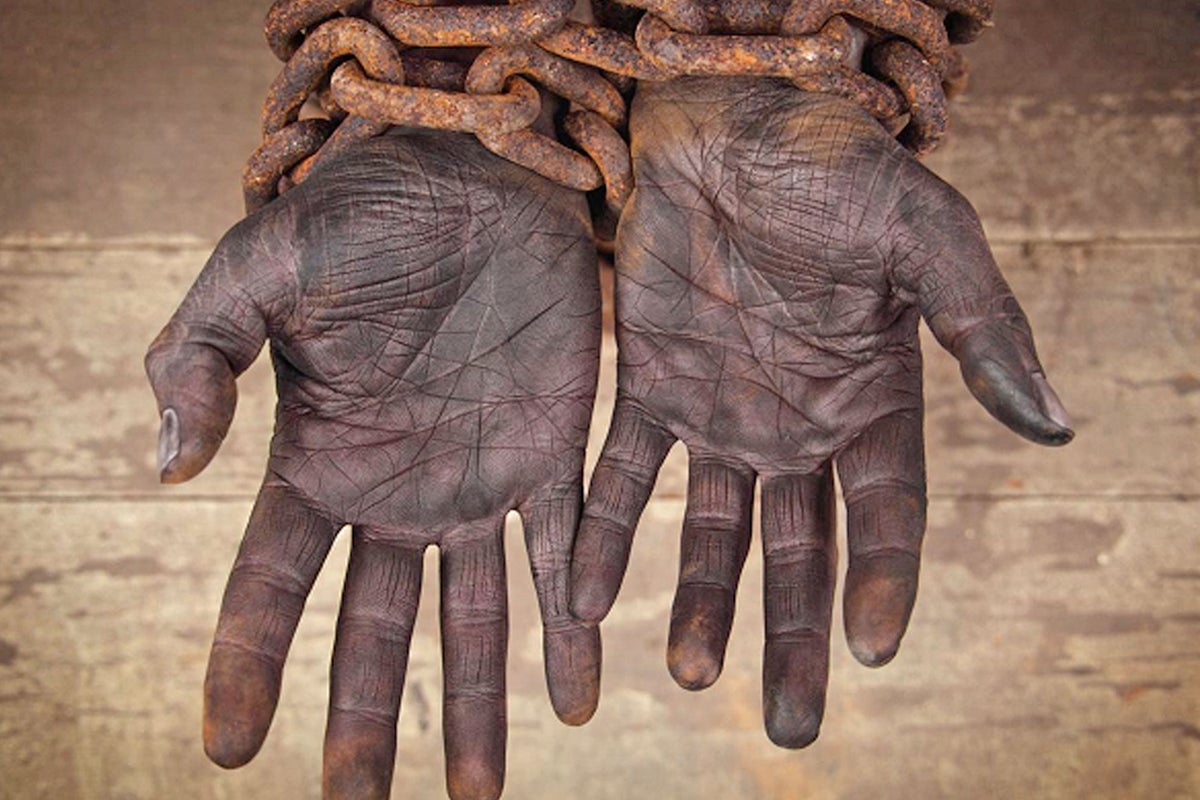
In 1838, 700,000 slaves in the West Indies, 40,000 in South Africa and 20,000 in Mauritius were finally liberated, after British slavery had helped build the empire's wealth through the West Indies sugar trade and cotton crop in North America. Legislation emancipating slaves provided staggering levels of compensation for slave-owners, but gave former slaves not a penny in reparation.
- WatchWhy Queen Elizabeth II was the queen of 15 countries · YouTube · 6 min watch
The Commonwealth developed out of the British Empire and kept ties with former colonies as they gained independence. The monarchy worked to preserve its influence after decolonization.
- BookThe Secret River · Bookshop.org
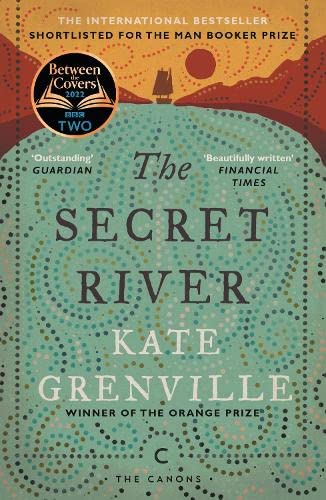
The Secret River by Kate Grenville explores what might have happened when Europeans colonized land already inhabited by Aboriginal people, as Thornhill realizes that Aboriginal people have a different concept of land ownership and stakes a claim by the river. It describes the conflict as the battle lines between old and new inhabitants are drawn.


Book links are Bookshop.org affiliate links. Curiate may earn a commission on purchases, at no extra cost to you — Bookshop.org also gives a share to independent bookshops.
Reading paths, built to arrive somewhere
Curiate turns what you are curious about into a short path — a quick lesson on an article, something to watch, and a book to go deep on. Free to browse.