Japanese American incarceration and its lasting effects on families
The internment of Japanese Americans during World War II was intended to mitigate a security risk Japanese Americans were believed to pose; military authorities justified exclusion by claiming that an "unascertained number" of potentially disloyal Japanese Americans remained on the West Coast.
2 articles, 1 book
The reading path
- Readthe internment of japanese americans during world war ii · Wikipedia
In 1943, Secretary of the Interior Harold L. Ickes wrote that "the situation in at least some of the Japanese internment camps is bad and is becoming worse rapidly." Many of those incarcerated were children, and some historical sources describe long-term psychological effects, including fear, shame, and trauma. Restrictions on what detainees could carry and the destruction of belongings in government storage compounded Japanese Americans' property losses, leaving many with little or nothing to return to and few savings to survive on. Congress's 1948 Japanese-American Claims Act offered compensation, but the IRS had already destroyed most 1939 to 42 tax records, and few detainees had preserved detailed financial records, making claims extremely difficult to establish.
- Read"About the Incarceration" · encyclopedia.densho.org
Upon release, the majority of those incarcerated were given only $25 and one-way transportation. They returned to find many homes and farms vandalized and belongings stolen; starting over was especially hard for Issei entering their senior years with little to show for a lifetime of work.
- BookThe Art of Keeping Cool · Bookshop.org
The Art of Keeping Cool is a children's historical novel by Janet Taylor Lisle published in October 2000 by Anthem Books. Author Janet Taylor Lisle drew from three sources of inspiration when writing The Art of Keeping Cool.

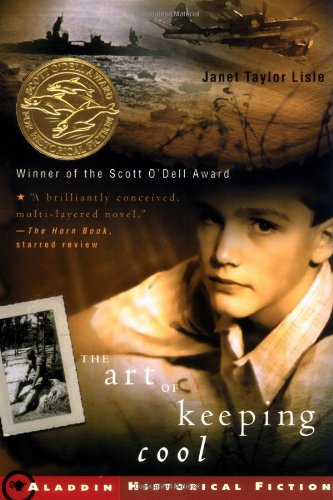
Book links are Bookshop.org affiliate links. Curiate may earn a commission on purchases, at no extra cost to you — Bookshop.org also gives a share to independent bookshops.
Reading paths, built to arrive somewhere
Curiate turns what you are curious about into a short path — a quick lesson on an article, something to watch, and a book to go deep on. Free to browse.