Lessons from WWII Internment
The U.S. government forcibly relocated and incarcerated approximately 120,000 Japanese Americans during World War II, revealing critical vulnerabilities in civil liberties. This dark chapter in American history underscores the consequences of fear-driven policies and the fragility of democratic principles.
- ReadInternment of Japanese Americans · Wikipedia
Traces the forced relocation and incarceration of about 120,000 Japanese Americans during WWII, highlighting that two-thirds were U.S. citizens. Executive Order 9066, issued on February 19, 1942, initiated these actions following the attack on Pearl Harbor.
- ReadWorld War II: Internment of Japanese Americans · The Atlantic
Examines the consequences of Executive Order 9066, which authorized military zones for exclusion, resulting in the internment of around 110,000 individuals of Japanese ancestry. Lieutenant General John L. DeWitt established a massive exclusion zone along the West Coast in March 1942.
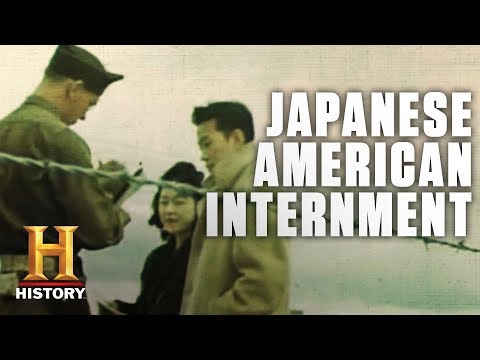
- WatchJapanese-American Internment During WWII | History · YouTube
Presents a visual overview of the internment process, detailing how the U.S. government rounded up individuals of Japanese ancestry and placed them in camps. The internment was justified under national security concerns following the Pearl Harbor attack.
- BookFarewell to Manzanar · Bookshop.org
Narrates the personal experiences of Jeanne Wakatsuki, a Nisei child interned at Manzanar, capturing her family's struggles and the impact of internment on their lives. The book recounts the arrest of her father and the family's confinement in a camp housing over 11,000 Japanese Americans.


The selected pieces collectively illustrate the historical context and human impact of Japanese American internment during WWII. They provide a comprehensive understanding of the events leading up to the internment, the experiences of those affected, and the broader implications for civil liberties in times of crisis.
Book links are Bookshop.org affiliate links. Curiate may earn a commission on purchases, at no extra cost to you — Bookshop.org also gives a share to independent bookshops.
Reading paths, built to arrive somewhere
Curiate turns what you are curious about into a short path — an entry point, something to watch, and the key book on the topic. Free to browse.