Life in the Japanese internment camps during WWII
During World War II, about 120,000 people of Japanese descent were forcibly relocated and incarcerated in 10 concentration camps in the United States, operated by the War Relocation Authority, mostly in the western interior of the country.
3 articles, 1 book · about 2 hr 25 min of reading and viewing
The reading path
- Readlife in the japanese internment camps during wwii · Wikipedia · 60+ min read
Life in the Japanese internment camps during WWII included housing that a 1943 War Relocation Authority report described as "tar paper-covered barracks of simple frame construction without plumbing or cooking facilities of any kind." Throughout many camps, twenty-five people were forced to live in space built to contain four, leaving no room for privacy. Camp schools in Japanese internment camps during WWII were overcrowded: Rohwer Camp of Arkansas had 2,339 students and only 45 certified teachers at its attendance peak. Student-teacher ratios were 48:1 in elementary schools and 35:1 in secondary schools, compared to the national average of 28:1. During incarceration, some Issei and Nisei who were renting or had not completed payments on their property found families willing to occupy their homes or tend their farms. Those unable to strike a deal with caretakers had to sell, often in a matter of days and at great financial loss to predatory land speculators.
- ReadTeaching the Japanese American Internment at West Point · War on the Rocks · 13 min read
During Japanese American internment, over a thousand Japanese Americans wove camouflage netting for the military at an on-site "factory" at the Santa Anita Assembly Center in California by the summer of 1942. DeWitt's use of interned Japanese Americans in materiel production, however, created more headaches for the Army.
- Read"Japanese-American Incarceration During World War II" · archives.gov · 5 min read
An internee challenged the claim that Japanese Americans were put in camps for their own protection: "If we were put there for our protection, why were the guns at the guard towers pointed inward, instead of outward?"
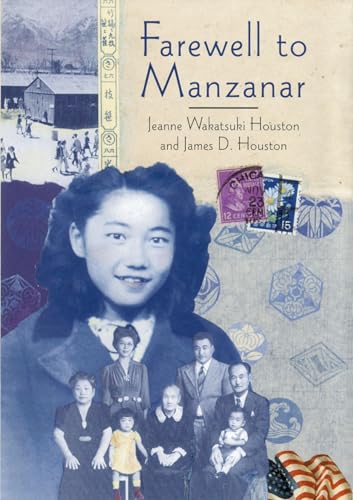
- BookFarewell to Manzanar · Bookshop.org
Farewell to Manzanar by Jeanne Wakatsuki Houston describes the Wakatsukis' imprisonment at Manzanar and their experiences before and after the war, told as a family account of Japanese American internment.



Book links are Bookshop.org affiliate links. Curiate may earn a commission on purchases, at no extra cost to you — Bookshop.org also gives a share to independent bookshops.
Reading paths, built to arrive somewhere
Curiate turns what you are curious about into a short path — a quick lesson on an article, something to watch, and a book to go deep on. Free to browse.