How Jewish refugees fled during World War II
The experiences of Jewish refugees during World War II included large numbers of Polish and Soviet Jews fleeing eastwards from German-occupied Europe or being deported by the Soviet Union; at the end of the war, Jews displaced in the Soviet Union were the largest group of surviving European Jews, as most of those left behind died in the Holocaust.
3 articles, 1 book · about 39 min of reading and viewing
The reading path
- Readthe experiences of jewish refugees during world war ii · Wikipedia · 17 min read
Jewish refugees during World War II: After the invasion of Poland in 1939 by Nazi Germany and the Soviet Union, between 150,000 and 300,000 Polish Jews entered in the Soviet Union in order to flee the Nazis. For Jewish refugees during World War II, Soviet camps had no genocidal machinery, unlike Nazi camps, but conditions were still brutal. The harsh conditions reflected the Soviet government's intent to use internees as forced labor, not to model its methods on Nazi genocide.
- ReadA Master Plan For Rescue · Literary Hub · 8 min read
The St. Louis left Hamburg, Germany with 900 Jewish refugees in 1939, all holding visas, documents allowing them to enter Cuba. When the ship reached the waters outside Havana harbor, word came that the Cuban president had changed his mind, and no one would be allowed to land.
- ReadThis Heroic Japanese Diplomat Defied His Government to Save Thousands of Jewish Refugees From the Holocaust · Smithsonian Magazine · 14 min read
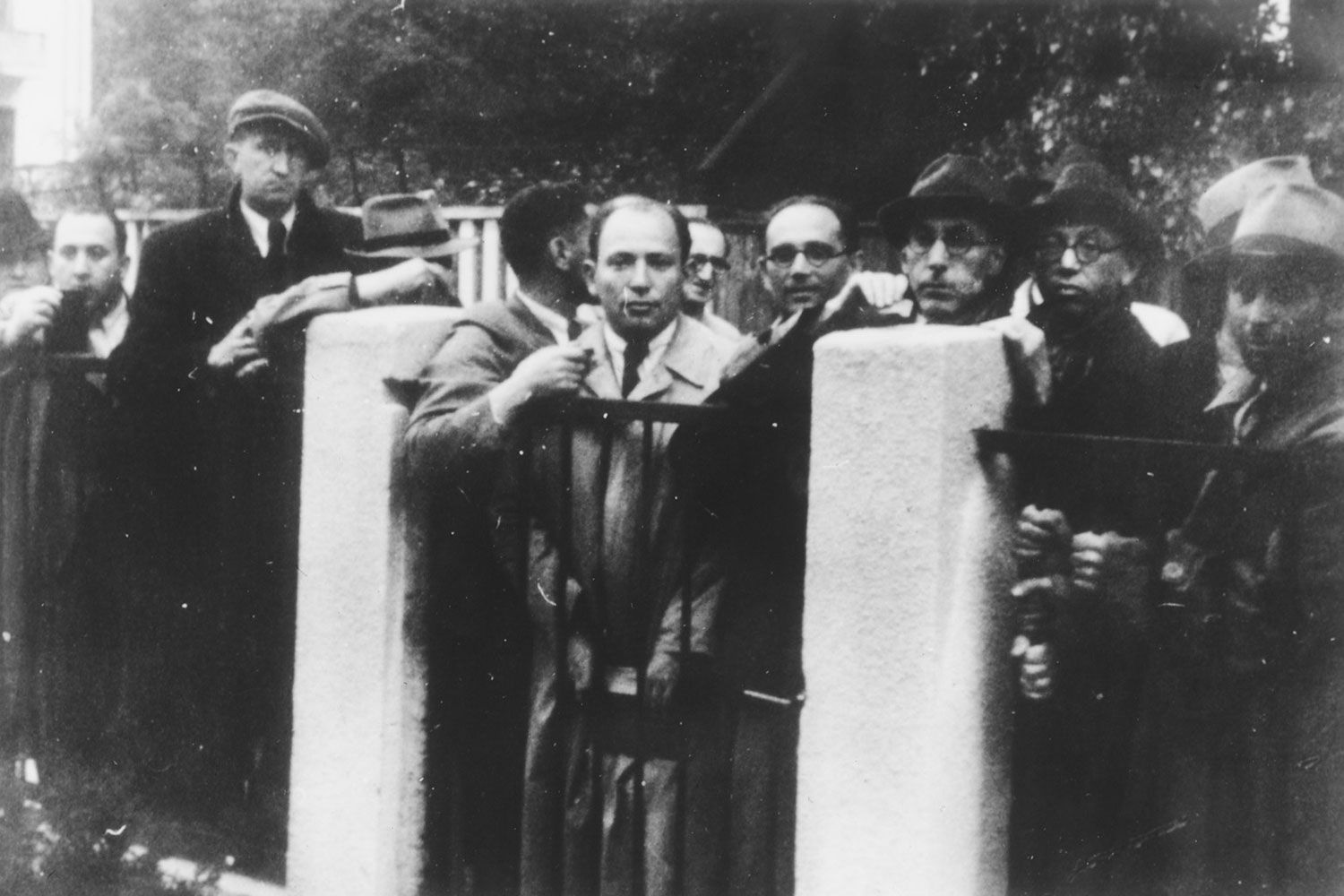
In July 1940, Jewish refugees gathered outside Japanese consul Sugihara's home in Kaunas, desperate to flee Nazi Germany. Sugihara defied his government's directives, issuing more than 2,000 transit visas to let refugees leave Soviet-occupied Lithuania and pass through Japan; the number he helped save is unknown but likely numbers in the thousands.
- BookThe Book Thief · Bookshop.org
The Book Thief by Markus Zusak is set in Nazi Germany during World War II and, narrated by Death, presents the lives and viewpoints of many victims of the ongoing war, including wartime experiences beyond refugee journeys.


Book links are Bookshop.org affiliate links. Curiate may earn a commission on purchases, at no extra cost to you — Bookshop.org also gives a share to independent bookshops.
Reading paths, built to arrive somewhere
Curiate turns what you are curious about into a short path — a quick lesson on an article, something to watch, and a book to go deep on. Free to browse.