Maps and Political Manipulation: Distorted Realities
This curation explores how maps serve as tools for political manipulation, distorting perceptions and influencing democratic processes. By examining various facets of cartography, readers will uncover the underlying agendas that shape our understanding of geography. The selected pieces reveal the complexities and consequences of map-making in contemporary society.
- ReadCartography · Wikipedia
Defines cartography as the study and practice of making maps, blending science and aesthetics to model reality. It highlights that effective communication of spatial information is paramount in the field.
- ReadMessing With Texans · Inside Higher Ed
Explores the impact of political rhetoric on public perception in Texas, revealing how maps are employed in educational contexts to shape narratives. The article discusses specific examples of controversial map usage in political debates.
- WatchAll Maps Lie! The Mercator Projection, The Most Commonly Looked at Map In The World, isn't So Right. · YouTube
Demonstrates how the Mercator projection distorts geographical realities, making landmasses appear larger or smaller than they are. For instance, Greenland appears disproportionately large compared to Africa, which is 14 times bigger.
- BookHow to Lie with Maps · Bookshop.org
Examines various ways maps can mislead, from zoning disputes to census data, emphasizing the principles of mapmaking that facilitate distortion. Monmonier discusses the role of color and simplification in creating misleading representations.

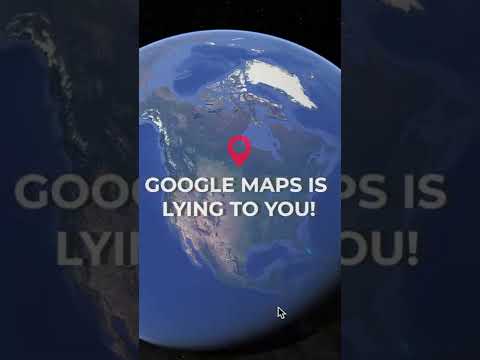

The journey begins with an introduction to cartography, establishing the foundation for understanding how maps communicate spatial information. It then delves into specific examples of political manipulation, showcasing the distortions present in widely used maps. The curation culminates in a comprehensive examination of how maps can mislead through intentional and unintentional distortions, providing a critical lens on their impact on society.
Book links are Bookshop.org affiliate links. Curiate may earn a commission on purchases, at no extra cost to you — Bookshop.org also gives a share to independent bookshops.
Reading paths, built to arrive somewhere
Curiate turns what you are curious about into a short path — an entry point, something to watch, and the key book on the topic. Free to browse.