Mercantilism's Human Toll in the 17th Century
The 17th century saw mercantilism reshape economies and societies through trade practices that often came at a steep human cost. The rise of powerful trading companies like the Dutch East India Company and the British East India Company transformed global commerce, but also led to exploitation and violence. As these corporations expanded their reach, they impacted communities and individuals, revealing the darker side of profit-driven motives. Examining the intersection of commerce and human experience during this transformative era reveals the profound implications of trade practices.
- ReadDutch East India Company · Wikipedia
Traces the origins and operations of the Dutch East India Company, highlighting its role as one of the first multinational corporations. Established in 1602, it was granted a 21-year monopoly to conduct trade in Asia.
- ReadThe East India Company Invented Corporate Lobbying - JSTOR Daily · JSTOR Daily
Argues that the East India Company exemplifies corporate violence, detailing its conquest of India and the systemic exploitation involved. Historian William Dalrymple describes its actions as 'the supreme act of corporate violence in world history.'
- WatchCapitalism and the Dutch East India Company: Crash Course World History 229 · YouTube
Explains how the Dutch East India Company pioneered modern corporate practices, including joint-stock corporations and futures trading. John Green humorously connects these practices to modern economic crises, illustrating their long-lasting impact.
- BookThe Coffee Trader · Bookshop.org
Follows Miguel Lienzo's financial struggles as he navigates the emerging coffee trade in 17th-century Amsterdam. His journey reflects the personal ramifications of mercantilism, including familial tensions and the quest for financial stability.

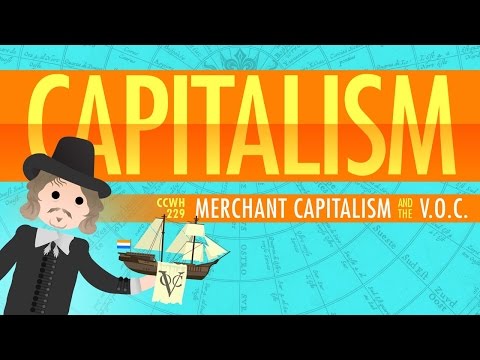

The selected pieces collectively illustrate the profound impact of mercantilism on human lives and communities. Starting with the foundational role of the Dutch East India Company, the curation progresses to the East India Company's corporate lobbying tactics, highlighting the systemic exploitation inherent in these practices. The visual narrative from Crash Course contextualizes these developments within broader economic trends, while David Liss's novel personalizes the consequences of trade through individual struggles. Together, these works paint a comprehensive picture of the human cost of 17th-century mercantilism.
Book links are Bookshop.org affiliate links. Curiate may earn a commission on purchases, at no extra cost to you — Bookshop.org also gives a share to independent bookshops.
Reading paths, built to arrive somewhere
Curiate turns what you are curious about into a short path — an entry point, something to watch, and the key book on the topic. Free to browse.