Pandemics, travel restrictions, and changing travel behavior
The impact of pandemics on travel behavior includes travel restrictions imposed by many countries and territories during the COVID-19 pandemic, which reduced the spread of the virus. How do disease controls and changing travel choices affect movement and travel? By the end, readers will understand how crises reshape travel, livelihoods, and social life across different places and periods.
2 articles, 1 book
The reading path
- Readthe impact of pandemics on travel behavior · Wikipedia
Travel restrictions and reduced willingness to travel harmed the travel sector economically and socially, while concerns were raised about whether restrictions could contain COVID-19. Tourists also increasingly chose "slow travel," taking time to explore less well-known locations instead of crowded destinations; business travel and international conferencing may also decline as virtual equivalents rise. The European Council agreed on 17 March 2020 to ban incoming travel for 30 days, with each country implementing the decision nationally. The restriction was later repeatedly prolonged until 30 June; in Spain, lockdowns greatly affected public transport, and only essential travels were allowed under severe restrictions. Passengers were not allowed to enter Montserrat during the pandemic, and its borders reopened to international travel in 2022. Suriname closed its borders for all persons and flights starting 14 March 2020, while Trinidad and Tobago closed its borders on 23 March 2020 but began processing exemptions for citizens and permanent residents; its international borders remained closed at least until 30 April 2021.
- BookThe Plague · Bookshop.org
During plague outbreaks, some city-states barred strangers, particularly merchants and minority groups, and armed guards enforced sanitary cordons along transit routes and city entrances. Later, travelers exposed to cholera or arriving from affected places were quarantined, but quarantine was almost irrelevant as a primary method for preventing cholera. These cases show how disease controls could sharply restrict movement while provoking fear and resentment.
- ReadLessons from the History of Quarantine, from Plague to Influenza A · Emerging Infectious Diseases journal
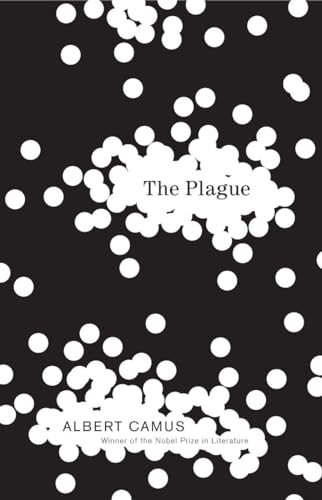
The Plague (French: La Peste) is a 1947 absurdist novel by Albert Camus. The plot centers around the French Algerian city of Oran as it combats a plague outbreak and is put under a city-wide quarantine.


Book links are Bookshop.org affiliate links. Curiate may earn a commission on purchases, at no extra cost to you — Bookshop.org also gives a share to independent bookshops.
Reading paths, built to arrive somewhere
Curiate turns what you are curious about into a short path — a quick lesson on an article, something to watch, and a book to go deep on. Free to browse.