Postcolonial theory, colonial power, and whose stories count
Postcolonial theory is the academic study of the cultural, political, and economic consequences of colonialism and imperialism, focusing on their impact on colonized people and lands. How does colonial power shape whose stories and knowledge count? Readers will understand how colonial assumptions are imposed and challenged, and how resistance also addresses power within postcolonial societies.
2 articles, 1 book
The reading path
- Readpostcolonial theory · Wikipedia
Belgium, Britain, France and Germany proffered theories of national superiority, presenting colonialism as delivering "the light of civilization to unenlightened peoples." This racialist language justified geopolitical competition and colonization, including the late-nineteenth century Scramble for Africa; the French Empire's "civilizing mission" claimed that more powerful, more developed, and more civilized races were entitled to colonize other peoples. Frantz Fanon, a psychiatrist and philosopher, writes that colonialism systematically denies the colonized "all attributes of humanity," using physical and mental violence to impose servility. He argues that imposed language also carries colonial power: it reflects the colonizer's world, so when colonized people speak it, they participate in structures of their own oppression.
- Read"What is Postcolonial Studies?" · postcolonial.net
Postcolonialism gives a language to people whose histories and knowledges are not allowed to count, challenging assumptions circulated by colonizers and offering native responses and resistance. Its focus also includes internal colonialisms within postcolonial nation-states, including the plight of minorities, tribal groups, and women.
- BookThings Fall Apart · Bookshop.org
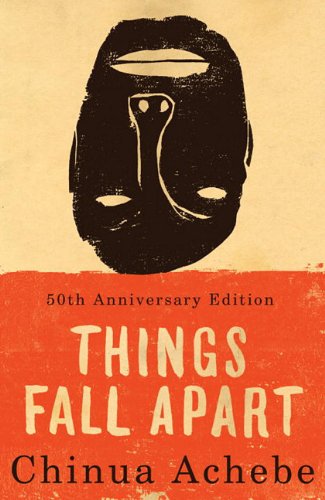
Things Fall Apart is the 1958 debut novel by Nigerian author Chinua Achebe. Set in Colonial Nigeria, it portrays the story of Okonkwo, a traditional and influential leader of the fictional Ibo clan (inspired by the real life Igbo clan) of Umuofia, who opposes colonialism and early Christianity.
Book links are Bookshop.org affiliate links. Curiate may earn a commission on purchases, at no extra cost to you — Bookshop.org also gives a share to independent bookshops.
Reading paths, built to arrive somewhere
Curiate turns what you are curious about into a short path — a quick lesson on an article, something to watch, and a book to go deep on. Free to browse.