Psychological resilience and the skills that build it
Psychological resilience is the ability to cope mentally and emotionally with a crisis or return quickly to how you were before it, and it may be cultivated over time or be a relatively stable trait. What learnable skills and supports help build resilience? The lessons connect coping, relationships, and supportive environments to resilience as a developing process.
3 articles, 1 book
The reading path
- Readpsychological resilience · Wikipedia
In cognitive behavioral therapy, resilience-building means mindfully changing behavior and thought patterns: people can replace self-talk such as "I can't do this" with positive self-talk to reduce stress during difficult challenges. They can also prepare for crises by creating a financial cushion, maintaining supportive social networks, and developing emergency response plans. More-resilient people show some increase in stress after a stressor, but less than less-resilient people, and the speed of their return to pre-stressor levels also indicates resilience.
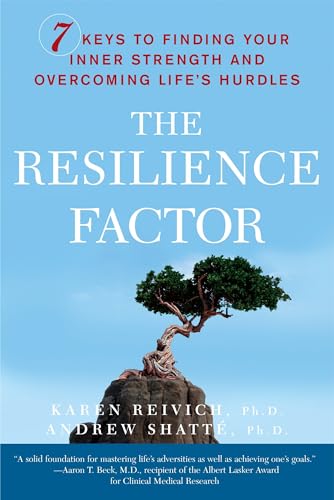
- BookThe Resilience Factor · Bookshop.org
The report's narrative review of peer-reviewed journal articles describes psychological resilience as a dynamic psychosocial process in which individuals exposed to sustained adversity or potentially traumatic events experience positive psychological adaptation over time. Experts describe it as involving interacting protective mechanisms, including supportive family and relationships, effective coping skills, culture and neurobiology, and the report says process, characteristics and protective mechanisms are complementary rather than mutually exclusive.
- ReadPsychological resilience: state of knowledge and future research agendas - - Working and discussion papers · cdn.odi.org
The International Resilience Project, based in Halifax, Nova Scotia at Dalhousie University, studied resilience around the world and found that resilience results from the interaction of individual characteristics with culturally relevant community services and policies. The Resilience Research Lab describes protective factors as supports in people's environments, including other people, systems and policies, that promote well-being or protect against risk factors.
- ReadResilience Research Lab | Vancouver Island University | Canada · socialsciences.viu.ca
The Resilience Factor by Karen Reivich and Andrew Shatté describes practical strategies for developing resilience through engaging stories and research, making the concept accessible and actionable for readers.
Book links are Bookshop.org affiliate links. Curiate may earn a commission on purchases, at no extra cost to you — Bookshop.org also gives a share to independent bookshops.
Reading paths, built to arrive somewhere
Curiate turns what you are curious about into a short path — a quick lesson on an article, something to watch, and a book to go deep on. Free to browse.