Clinical psychology, trauma, assessment, and recovery
Clinical psychology integrates human and behavioral science, theory, and clinical knowledge to understand, prevent, and relieve psychological distress or dysfunction and promote well-being and personal growth. How can trauma's effects on mind and body be assessed and understood? By the end, readers will understand how clinical psychology approaches trauma through assessment, psychological theories, and attention to resilience and recovery.
2 articles, 1 book
The reading path
- Readclinical psychology · Wikipedia
During World War II, returning soldiers showed symptoms of psychological trauma labeled "shell shock," which psychologists noticed were best treated as soon as possible. With physicians treating bodily injuries, psychologists helped treat the condition; after the war, the Veterans Administration in the US invested in training doctoral-level clinical psychologists, and by 1950 over half of all psychology PhDs were in clinical psychology. Tests of memory, attention span, and visual/spatial perception can help assess cognitive functioning, while personality measures describe patterns of behavior, thoughts, and feelings. Neuropsychological tasks assess functions linked to particular brain structures or pathways, often after an injury or illness; clinicians also combine formal tests with observation and interviews to assess a person. Psychoanalysis aims to make unconscious drives, including those relating to sex and aggression, conscious, and examine the defenses used to keep them in check. Psychodynamic psychology also explores how childhood shapes a client's current state; for example, a client may transfer unconscious thoughts or emotions about a parent onto a therapist, a process called transference.
- BookThe Body Keeps the Score · Bookshop.org
Childhood trauma can affect both mental and physical health: interpersonal trauma is linked to later psychological, relational, and physical health problems, and multiple severe exposures are associated with more severe PTSD symptoms and other trauma-related disorders. The review notes that childhood stress can alter developing brain, hormone, and immune systems, while identifying supportive experiences can help explain resilience and recovery.
- ReadThe impact of trauma and how to intervene: a narrative review of psychotraumatology over the past 15 years - PMC · pmc.ncbi.nlm.nih.gov
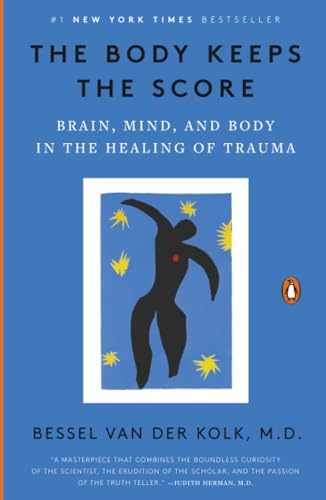
The Body Keeps the Score by Bessel van der Kolk uses recent scientific advances to show how trauma reshapes body and brain, and explores treatments such as neurofeedback, meditation, sports, drama, and yoga that offer paths to recovery.

Book links are Bookshop.org affiliate links. Curiate may earn a commission on purchases, at no extra cost to you — Bookshop.org also gives a share to independent bookshops.
Reading paths, built to arrive somewhere
Curiate turns what you are curious about into a short path — a quick lesson on an article, something to watch, and a book to go deep on. Free to browse.