Addiction and recovery: risk, assessment and brain mechanisms
Addiction and recovery concerns a neuropsychological disorder marked by a persistent, intense urge to use a drug or engage in a rewarding behavior despite substantial harm; addiction takes both substance and non-substance forms. How do early experiences, assessment tools and brain processes help explain addiction? By the end, readers will understand how these factors inform the study and assessment of compulsive substance use.
2 articles, 1 book
The reading path
- Readaddiction and recovery · Wikipedia
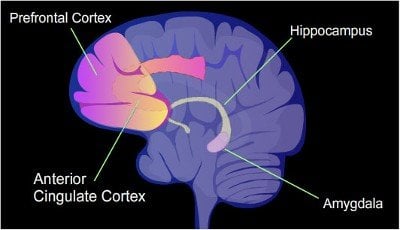
Some rats pushed levers for cocaine even when a mild electric shock followed. NIDA researchers found greater functional brain deficits in the prefrontal cortex in addicted rats; activating cells there reduced cocaine-seeking in addicted rats, while deactivating them in non-addicted rats increased compulsive cocaine seeking. NIDA's Dr. Billy Chen said, "This is the first study to show a cause-and-effect relationship between cocaine-induced brain deficits in the prefrontal cortex and compulsive cocaine-seeking."
- ReadStudy Sheds Light on how to Reset the Addicted Brain - Neuroscience News · Neuroscience News
A meta-analysis of over 250,000 participants found that people reporting four or more adverse childhood experiences were at increased risk of every health outcome examined, with the strongest associations for problematic drug use. Incentive salience is the reward value the brain assigns to a stimulus, such as a drug. The ASSIST covers lifetime and recent use, craving, and use-related problems across substance classes, while the CRAFFT includes items on substance-related driving risk. These tools usually precede a full diagnostic assessment, and the Addictions Neuroclinical Assessment profiles executive function, incentive salience and negative emotionality as a research framework, not a clinical screening questionnaire.
- BookA Million Little Pieces · Bookshop.org
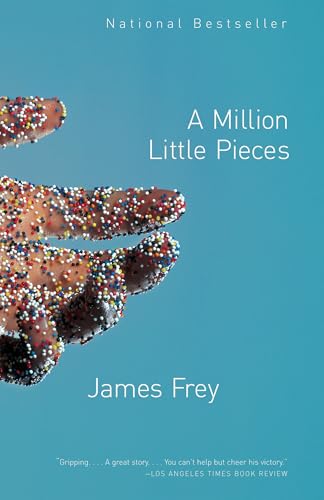
A Million Little Pieces by James Frey reports on a 23-year-old alcoholic and abuser of other drugs coping with rehabilitation in a twelve steps-oriented treatment center.

Book links are Bookshop.org affiliate links. Curiate may earn a commission on purchases, at no extra cost to you — Bookshop.org also gives a share to independent bookshops.
Reading paths, built to arrive somewhere
Curiate turns what you are curious about into a short path — a quick lesson on an article, something to watch, and a book to go deep on. Free to browse.