How brain systems shape thought in cognitive science and philosophy
Cognitive science is the scientific study of the mind and its processes, drawing on fields such as psychology, philosophy, artificial intelligence, neuroscience, linguistics, and anthropology. How do brain systems shape thought, and how can studying the mind at different levels help us understand it? The lessons trace how brain processes support attention, memory, and control of thought.
2 articles, 1 video, 1 book · about 1 hr 40 min of reading and viewing
The reading path
- Readcognitive science and philosophy · Wikipedia · 38 min read
Cognitive science's modern culture grew from early cyberneticists Warren McCulloch and Walter Pitts, who sought to understand the mind's organizing principles. They developed early variants of artificial neural networks, computational models inspired by the structure of biological neural networks. In cognitive science, the dichotic listening task presents subjects with two different messages, one in each ear, and asks them to focus on one. When asked about the unattended message afterward, subjects were unable to report its content. Memory in cognitive science is often thought of as consisting of both a long-term and short-term store. Long-term memory stores information over days, weeks, or years, while short-term memory stores it for seconds or minutes.
- ReadSuppressing the Brain's "Filter" Can Improve Performance in Creative Tasks - Neuroscience News · Neuroscience News · 5 min read
In an experiment, adults had activity in the left prefrontal cortex inhibited while quickly suggesting unusual uses for everyday objects, such as using a baseball bat as a rolling pin. Researchers at the University of Pennsylvania showed that inhibiting this filter can boost performance on tasks where unfiltered, creative thoughts present an advantage.
- WatchA life of the mind - with Daniel Dennett · YouTube · 57 min watch
Daniel C Dennett, philosopher and cognitive scientist, reflects on his intellectual life, the role of mistakes in thinking, and ideas about the mind and consciousness. His discussion connects cognitive science with philosophical questions about how we think, know, and understand consciousness.
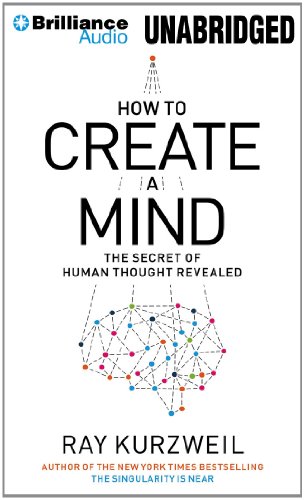
- BookHow to Create a Mind · Bookshop.org
How to Create a Mind by Ray Kurzweil explores reverse-engineering the human brain and considers the controversial implications of increasing intelligence to address global problems, comparing emotional and moral intelligence and considering the origins of consciousness.


Book links are Bookshop.org affiliate links. Curiate may earn a commission on purchases, at no extra cost to you — Bookshop.org also gives a share to independent bookshops.
Reading paths, built to arrive somewhere
Curiate turns what you are curious about into a short path — a quick lesson on an article, something to watch, and a book to go deep on. Free to browse.