Addiction studies and brain change in lived experience
Addiction studies examines addiction, a neuropsychological disorder characterized by a persistent and intense urge to use a drug or engage in a behavior that produces an immediate psychological reward, despite substantial harm and other negative consequences. How do brain changes, development, drug use, and treatment shape addiction? By the end, readers will understand how biological processes and lived experience interact in addiction and recovery.
2 articles, 1 book
The reading path
- Readaddiction studies · Wikipedia
ΔFosB is a protein that accumulates in reward-related neurons in laboratory animals; this accumulation increases drug self-administration and blunts sensitivity to adverse consequences. Repeated drug exposure makes lasting changes in brain circuits governing reward, stress and self-control, helping explain addiction as both brain change and lived experience. For opioid use disorder, methadone or buprenorphine treatment retains people in care and suppresses illicit opioid use more effectively than placebo. Time receiving this treatment was associated with lower all-cause and overdose mortality, while the risk of death was around six times higher in the four weeks after treatment stopped-showing how treatment and its interruption can shape lived outcomes. Adolescence is the period of greatest risk for first use of an addictive drug and transition to disordered use. Reward sensitivity is high while the prefrontal cortex, which supports planning and inhibitory control, is still developing; early drug exposure can further disturb its development and delay maturation. This two-way link shows how developmental brain change and drug experience can reinforce risk.
- ReadShe Studies How Addiction Hijacks Learning in the Brain | Quanta Magazine · Quanta Magazine
Drugs like opioids act on dopamine, which fires when things are new or different, whether they're good or bad, and is critical for helping people learn. Drugs basically continue to push dopamine even when things are no longer new or different, while long-term drug use depletes it, making it harder to learn anything new.
- BookThe Recovering: Intoxication and Its Aftermath · Bookshop.org
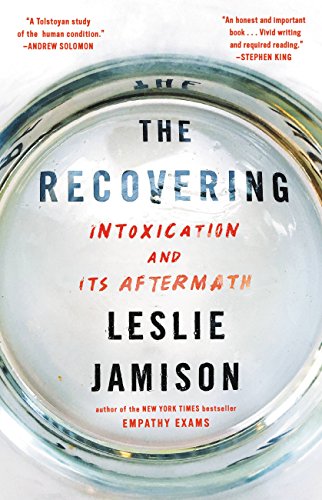
The Recovering by Leslie Jamison blends memoir, cultural history, literary criticism, and journalistic reportage to analyze how stories convey the addiction experience, drawing on the lives of artists whose achievements were shaped by addiction.


Book links are Bookshop.org affiliate links. Curiate may earn a commission on purchases, at no extra cost to you — Bookshop.org also gives a share to independent bookshops.
Reading paths, built to arrive somewhere
Curiate turns what you are curious about into a short path — a quick lesson on an article, something to watch, and a book to go deep on. Free to browse.