Remote team management and building trust
Remote team management concerns virtual teams: groups working from different geographic locations who rely on communication technology to collaborate. How can managers build trust and cooperation across distance? By the end, readers will understand how getting acquainted, informal connection, and clear expectations can help remote teams work together.
2 articles, 1 book
The reading path
- Readremote team management · Wikipedia
Experimental studies demonstrate that getting acquainted before computer-mediated work begins facilitates cooperation and trust. In many cases, virtual team members meet face-to-face at the beginning of teamwork, and kick-off workshops are expected to promote trust and a shared understanding. Silence in digital communication may reflect agreement, disagreement, passive aggression, indifference, or an undelivered message, making common ground hard to establish. Informal conversations, virtual "water cooler chat," and personal introductions help build trust; trusted teammates are more likely to ask clarifying questions and avoid snap judgments, reducing the challenges of lost social cues.
- ReadManaging remote teams: How to build a healthy and productive culture · Sage Advice US
A remote manager can build trust by giving employees ownership, setting clear goals and deadlines, and avoiding micromanagement. For example, agree on a remote marketer's deliverables and use regular check-ins to discuss progress and roadblocks, rather than asking for daily updates; intentional communication can keep the team aligned without overwhelming people.
- BookThe Five Dysfunctions of a Team: A Leadership Fable · Bookshop.org
The Five Dysfunctions of a Team by Patrick Lencioni describes pitfalls teams face as they seek to grow together and examines causes of organizational politics and team failure, providing context for challenges that can arise in remote team management.

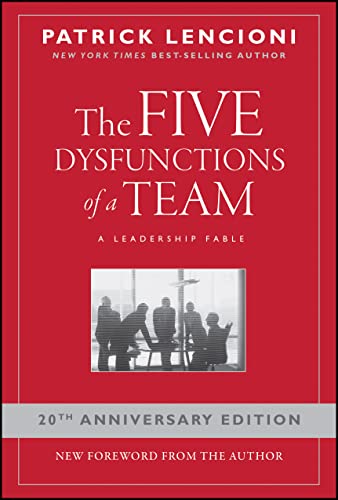
Book links are Bookshop.org affiliate links. Curiate may earn a commission on purchases, at no extra cost to you — Bookshop.org also gives a share to independent bookshops.
Reading paths, built to arrive somewhere
Curiate turns what you are curious about into a short path — a quick lesson on an article, something to watch, and a book to go deep on. Free to browse.