Risk management identifies, evaluates, and prioritizes risks
Risk management means identifying, evaluating, and prioritizing risks, then minimizing, monitoring, and controlling their impact or probability while analyzing opportunities. What helps make risk assessment and management valid, and how can risks be addressed and plans kept effective as circumstances change? The lessons consider different kinds of risk, ways to respond, ongoing review, and how to reason about uncertain harms.
2 articles, 1 video, 1 book · about 45 min of reading and viewing
The reading path
- Readrisk management · Wikipedia · 33 min read
Modern risk management theory deals with all types of external events, both positive and negative. Yet risk-related research and practice focus significantly more on threats than on opportunities. Risk management uses four essential techniques: avoidance, reduction, sharing, and retention. Once risks are identified and assessed, these categories cover the techniques, though ideal use may not be possible.
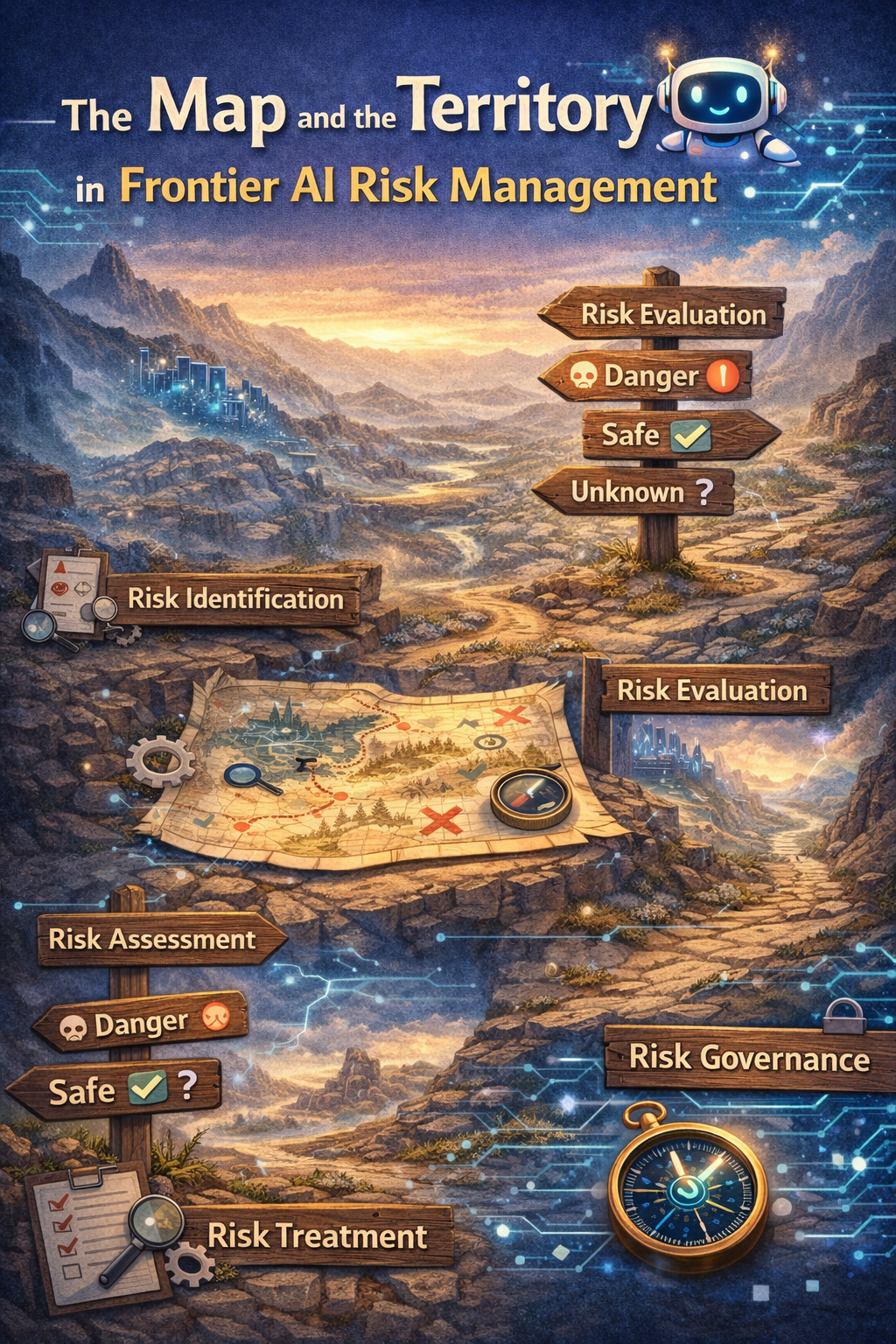
- ReadThe Map and the Territory in Frontier AI Risk Management - 3 Quarks Daily · 3 Quarks Daily · 3 min read
AI risk management needs risk modelling to connect a model's neutral capabilities to harm to people, property or the environment. It does so by considering threat actors, the sequence of events that must take place, and safeguards in the broader environment.
- WatchWhat are the problems with VaR? | Risk Management | Finance · YouTube · 9 min watch
The video covers problems with Value at Risk calculations, including how statistical choices can understate the likelihood and magnitude of losses. These limitations matter to risk management because they can lead to an inaccurate assessment of potential losses.
- BookThe Black Swan: The Impact of the Highly Improbable · Bookshop.org
The Black Swan by Nassim Nicholas Taleb focuses on the extreme impact of rare, unpredictable outlier events and people's tendency to explain them simply in retrospect. Its advice on approaching the world amid uncertainty gives readers another way to think about risk.

Book links are Bookshop.org affiliate links. Curiate may earn a commission on purchases, at no extra cost to you — Bookshop.org also gives a share to independent bookshops.
Reading paths, built to arrive somewhere
Curiate turns what you are curious about into a short path — a quick lesson on an article, something to watch, and a book to go deep on. Free to browse.