Symbolism in Renaissance Art
Renaissance art is a rich tapestry of visual storytelling, where artists embedded complex meanings and philosophical ideas within their works. This period, spanning from the 14th to the 17th century, marked a significant transition in European art, drawing from classical antiquity while innovating new techniques and themes. Artists like Raphael and Michelangelo not only showcased technical mastery but also engaged with humanist ideas, reflecting the era's intellectual currents.
- ReadRenaissance art · Wikipedia
Defines Renaissance art as a distinct style emerging in Italy around AD 1400, influenced by classical antiquity and Northern European developments. It marks the transition from the medieval period to the Early Modern age, reflecting new artistic sensibilities.
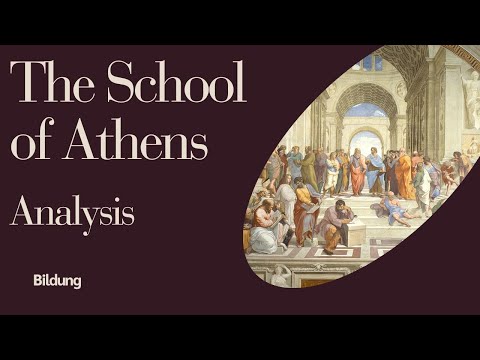
- WatchThe School of Athens - Analysis | Video Essay on the Philosophy and Art of Raphael's Stanza · YouTube
Analyzes the 'School of Athens' fresco by Raphael, exploring its philosophical and historical context within the Stanza della Segnatura. The video emphasizes the synthesis of Christianity and Greek classics, particularly through the fresco 'the Disputation of the Most Holy Sacrament'.
- BookThe Lives of the Artists · Bookshop.org
Presents biographical accounts of Renaissance artists, starting with Cimabue and Giotto, and moving through to titans like Leonardo, Raphael, and Michelangelo. Vasari's work is a cornerstone for understanding the development of Renaissance art and its influential figures.

The selected pieces guide the reader through the intricate layers of Renaissance art, beginning with a foundational overview of the period's significance. The video essay on Raphael's 'School of Athens' deepens the understanding of specific artworks, while Vasari's biographical accounts provide context on the artists' lives and the evolution of their craft. Together, they create a comprehensive narrative that reveals the hidden messages artists wove into their masterpieces.
Book links are Bookshop.org affiliate links. Curiate may earn a commission on purchases, at no extra cost to you — Bookshop.org also gives a share to independent bookshops.
Reading paths, built to arrive somewhere
Curiate turns what you are curious about into a short path — an entry point, something to watch, and the key book on the topic. Free to browse.