Role-playing games in the 1980s beyond combat
The evolution of role-playing games in the 1980s is part of tabletop role-playing game history, which began in the 1970s as historical reenactment, improvisational theatre, parlour games, and fantasy wargame rules came together. What can readers understand about role-playing beyond combat rules? The lessons trace how the form made room for character, storytelling, flexibility, and social interaction.
2 articles, 1 book
The reading path
- Readthe evolution of role-playing games in the 1980s · Wikipedia
Chaosium produced Basic Role-Playing (1981), a generic role-playing game system, meaning a system used across games with different settings. It originated in RuneQuest rules and was used in Call of Cthulhu and Stormbringer (1981); Ars Magica (1988) emphasized characterization and storytelling over game mechanics and combat. Steve Jackson, a role-playing game designer, wanted a rules system that was detailed and realistic, logical and well-organized, and adaptable to any setting and level of play. The system was eventually released as GURPS (1986).
- ReadWhen Dungeons & Dragons Cast Its Spell on 1980s America | HISTORY · HISTORY
D&D shifted play from armies to individuals: players controlled one character, changing where that character went and developing their skills over time. Rather than reenacting battles with a clear winner, players collaborated in an open-ended adventure guided by a dungeon master, helping establish character progression and "leveling up."
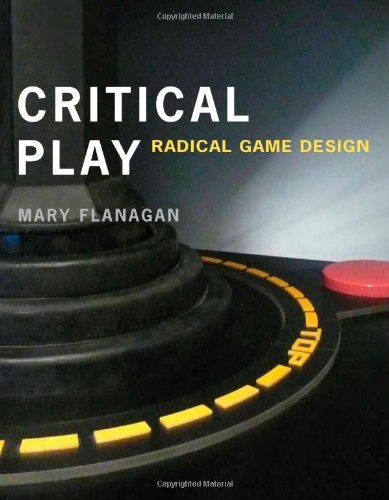
- BookCritical Play: Radical Game Design · Bookshop.org
Critical Play by Mary Flanagan examines how games reflect and shape society, offering a cultural lens on the evolution of role-playing games in the 1980s.


Book links are Bookshop.org affiliate links. Curiate may earn a commission on purchases, at no extra cost to you — Bookshop.org also gives a share to independent bookshops.
Reading paths, built to arrive somewhere
Curiate turns what you are curious about into a short path — a quick lesson on an article, something to watch, and a book to go deep on. Free to browse.