Shared patterns across world myths
The study of mythology compares myths from different cultures to identify shared themes and characteristics; scholars have used relationships between myths to trace the development of religions and cultures, propose common origins, and support psychoanalytical theories.
2 articles, 1 video, 1 book · about 41 min of reading and viewing
The reading path
- Readthe study of mythology · Wikipedia · 25 min read
The Greek sky-god Zeus Pater, the Roman sky-god Jupiter, and the Indian (Vedic) sky-god Dyauṣ Pitṛ have linguistically identical names. Some scholars look at linguistic relationships between myths of different cultures, and the study of Indo-European mythology is one particularly successful example of this approach. Chinese mythology describes Nüwa molding figures from the yellow earth and giving them life and the ability to bear children. The cosmic egg is a mythological motif in the cosmogonies of many cultures and civilizations, including Proto-Indo-European mythology. Typically, upon "hatching", an egg gives rise to the universe itself or to a primordial being who creates it.
- ReadHear 48 Hours of Lectures by Joseph Campbell on Comparative Mythology and the Hero's Journey · Open Culture · 3 min read
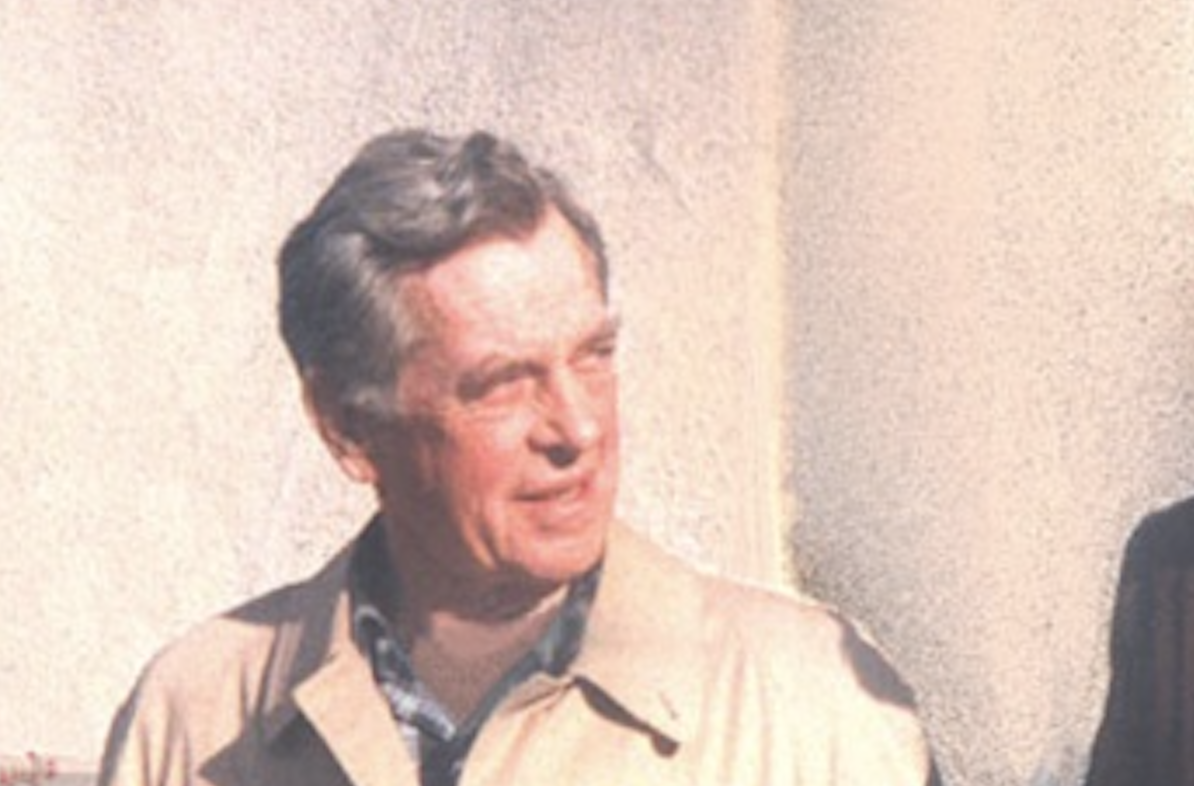
Joseph Campbell, a writer and teacher of mythology, uses 48 hours of lectures to lay out patterns and symbols in mythologies worldwide, focusing especially on the hero's journey. In The Hero with a Thousand Faces, Campbell wrote about this archetype, whose edge experiences lie at the heart of the classic hero's journey.
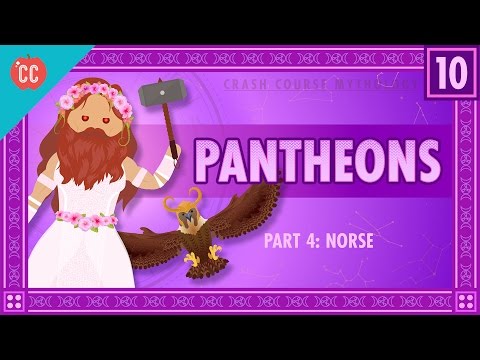
- WatchThe Norse Pantheon: Crash Course World Mythology #10 · YouTube · 13 min watch
Thor, Loki, Odin, Fenrir and the Frost Giants are among the Norse gods and figures whose stories make up the Norse pantheon.
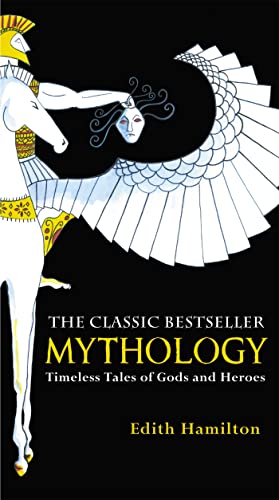
- BookMythology: Timeless Tales of Gods and Heroes · Bookshop.org
Mythology by Edith Hamilton brings to life Greek, Roman, and Norse myths, the stories of gods and heroes that have inspired human creativity from antiquity to the present.
Book links are Bookshop.org affiliate links. Curiate may earn a commission on purchases, at no extra cost to you — Bookshop.org also gives a share to independent bookshops.
Reading paths, built to arrive somewhere
Curiate turns what you are curious about into a short path — a quick lesson on an article, something to watch, and a book to go deep on. Free to browse.