The Arab Spring in Egypt and its uncertain aftermath
The Arab Spring in Egypt was the 2011 Egyptian revolution, also known as the 25 January Revolution, which began on 25 January 2011 and spread across Egypt. It consisted of demonstrations, marches, occupations of plazas, non-violent civil resistance, acts of civil disobedience and strikes.
2 articles, 1 video, 1 book · about 1 hr 58 min of reading and viewing
The reading path
- Readthe arab spring in egypt · Wikipedia · 60+ min read
For the 2011 Revolution in Egypt, political scientist Shingo Hamanaka (2020) argues that Facebook and Twitter connected activist groups such as 6 April Youth Movement to a broader audience, rather than acting as isolated triggers. Hamanaka's analysis of two data sets found that people already highly engaged online were significantly more likely to join street demonstrations. During the Egyptian revolution, women accounted for about 40 to 50 per cent of protesters on Tahrir Square in the days leading up to the fall of Mubarak, compared with about 10 per cent in earlier protests. Women, with and without veils, helped defend the square, set up barricades and led debates.
- ReadArab Spring | HISTORY · HISTORY · 5 min read
In Egypt, early changes arising from the Arab Spring in the spring of 2011 gave many hope after the ouster of President Hosni Mubarak, but authoritarian rule has apparently returned.
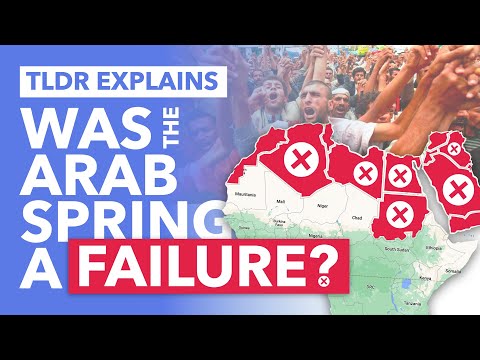
- WatchWere the Arab Spring Uprisings a Failure? 10 Years On - TLDR News · YouTube · 10 min watch
Looking back from 2021, did the Arab Spring protests bring change, or did they leave the status quo in place? The protesters hoped for a better, more democratic future.
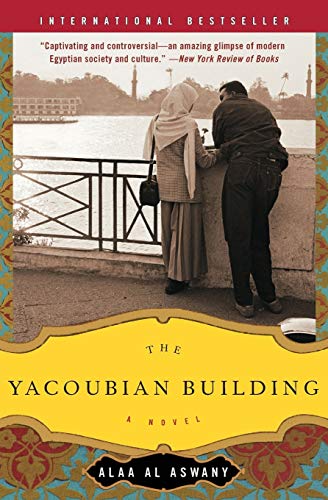
- BookThe Yacoubian Building · Bookshop.org
The Yacoubian Building by Alaa Al Aswany portrays modern Egyptian society since the Revolution of 1952 through a downtown Cairo apartment building and its rooftop community of poor migrants.


Book links are Bookshop.org affiliate links. Curiate may earn a commission on purchases, at no extra cost to you — Bookshop.org also gives a share to independent bookshops.
Reading paths, built to arrive somewhere
Curiate turns what you are curious about into a short path — a quick lesson on an article, something to watch, and a book to go deep on. Free to browse.