The Byzantine Empire's cycles of crisis and recovery
The history of the Byzantine Empire is the story of the Eastern Roman Empire, centred on Constantinople, which survived the Western Empire's fall and endured until the city fell to the Ottomans in 1453. The lessons answer how Byzantium endured cycles of crisis and recovery. They trace how its changing institutions, military choices, diplomacy, and leadership helped it withstand setbacks and regain strength.
3 articles, 1 book
The reading path
- Readthe history of the byzantine empire · Wikipedia
Themes were territories organized around military recruitment, each controlled by a general appointed by the emperor; local soldiers served there, building pride and morale. The system could operate without significant cash-flow from the imperial treasury, and the source says it was this system that preserved the empire for many centuries, while its smaller, more coherent borders helped core areas remain under Byzantine control.
- BookByzantium: The Surprising Life of a Medieval Empire · Bookshop.org
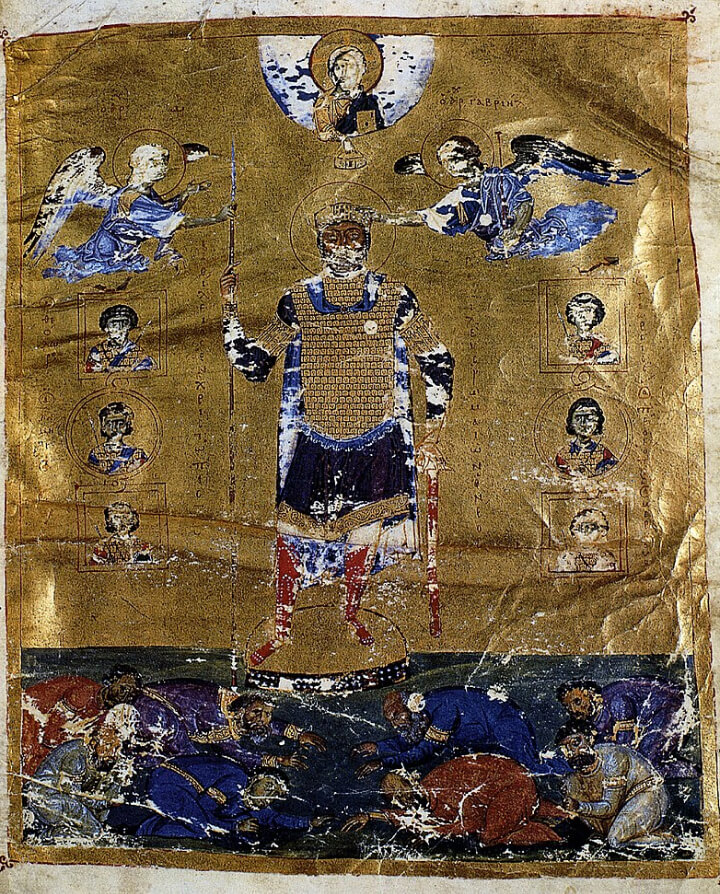
The Macedonian dynasty (867 to 1056) rebuilt Byzantine strength through administrative reforms, improved tax collection, and successful campaigns, reversing territorial losses and reinforcing central authority. But recovery remained vulnerable: after the Seljuks defeated the empire at the Battle of Manzikert in 1071, the emperor's capture and a struggle for power led to the loss of most of Asia Minor.
- Read3.6 Division and Decline – PPSC HIS 1310 Western Civilization: Antiquity to 1650 · pressbooks.ccconline.org
Theme system is a structure that allocated troops to defend specific provinces. Leo III, an emperor of the Byzantine Empire, continued to reform it for offensive campaigns against the Muslims, culminating in a notable victory in 740; he and Constantine V were effective leaders in government and warfare, but their iconoclast policies opposing the veneration of religious images later led biased authors to vilify them. Byzantine diplomacy could include political marriages, bribery, espionage, and even assassination. Because the empire habitually lacked resources, it relied on diplomacy to avoid risky, expensive campaigns; despite losing some advantages after 1204, diplomacy remained central to its survival until 1453.
- ReadThe Middle Byzantine period · Byzantine World
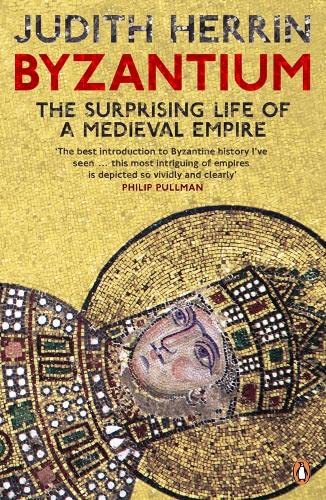
Byzantium by Judith Herrin presents Byzantine history in short thematic chapters on subjects including Hagia Sophia, iconoclasm, eunuchs, Anna Komnene, and the crusades, then describes the sweep from Constantinople's founding in 330 to its fall in 1453.

Book links are Bookshop.org affiliate links. Curiate may earn a commission on purchases, at no extra cost to you — Bookshop.org also gives a share to independent bookshops.
Reading paths, built to arrive somewhere
Curiate turns what you are curious about into a short path — a quick lesson on an article, something to watch, and a book to go deep on. Free to browse.